
Rapper Yung Miami Sparks Controversy: A Call for Justice in Karmelo Anthony's Case
- 2 hours ago
- 3 min read
Yung Miami Sparks Nationwide Debate on Racism and Justice as Karmelo Anthony's Family Fights for Appeal
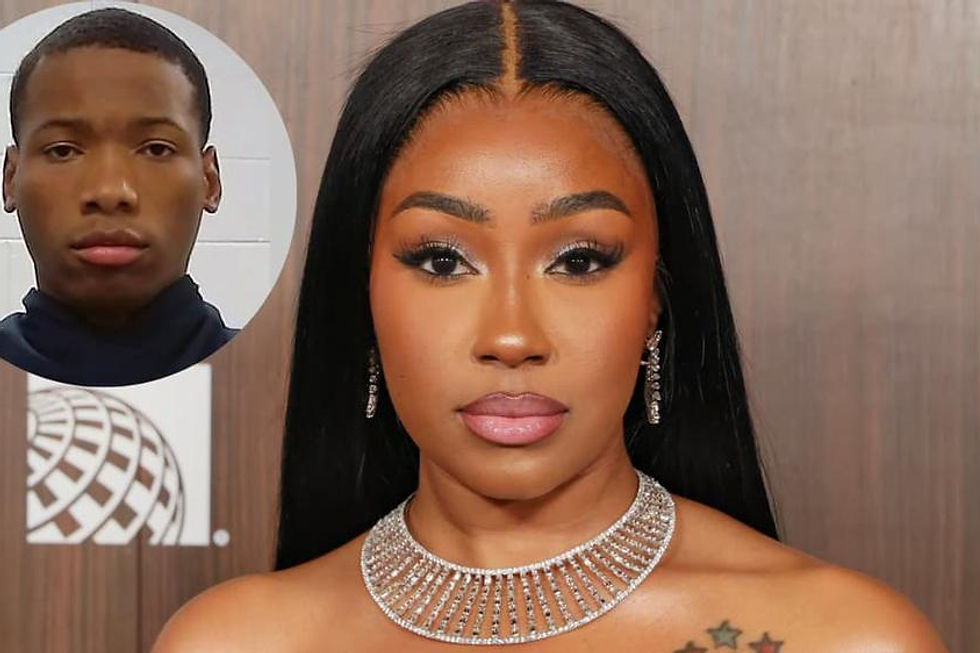
The world of celebrity often intertwines with social justice issues, and a recent case has put a prominent rapper at the center of a heated debate. Yung Miami, known for her music and impactful presence in the entertainment industry, has publicly expressed her disapproval regarding the sentencing of Karmelo Anthony, a North Texas teen. Convicted of first-degree murder for the tragic stabbing death of Austin Metcalf during a track meet in 2025, Anthony has been sentenced to 35 years in prison. Following the decision, Yung Miami took to Instagram to voice her concerns, igniting discussions about racism in the legal system and the broader implications for young Black men.
Posting a graphic that reads “Self-defense is not a crime. This is racism,” Yung Miami articulated her frustration with the judicial process in Anthony's case. "At some point, we have to stand for something," she noted, emphasizing the emotional toll this case takes on her as a Black mother to a Black son. Her call to action resonates—she encourages individuals within her sphere to raise their voices, saying, “Enough is enough. If they’re not killing us, they’re throwing us in jail!” The passionate tone of her post reflects a growing sentiment within the Black community that systemic injustices must be confronted head-on.

As the case gains traction, the fallout from the trial has led to fierce debates across social media platforms. Anthony's family remains unwavering in their support for him, determined to challenge the verdict. They have filed an appeal, questioning the legitimacy of the trial proceedings, particularly focusing on the jury selection, which notably excluded Black jurors. This aspect has amplified the conversation around racial bias in judicial processes. Critics argue that a jury of peers is essential for fair trials, yet Anthony's family contends he was denied this fundamental right.
Adding fuel to the fire, Metcalf's father, Jeff, made controversial remarks during a podcast appearance, where he disparaged Anthony’s family. He called Karmelo a "watermelon felon," a derogatory term, and criticized his parents for their perceived lack of support during the trial, labeling them as “grifters” lacking parental responsibility. This incendiary rhetoric has been met with shock and condemnation from various corners of the public, further complicating the emotionally charged narrative surrounding Anthony's conviction.
Amid these tensions, a voice of compassion emerged from Metcalf himself, who expressed his forgiveness towards Anthony. “That poor boy is fixing to experience a life that I would not wish upon anyone," he said, highlighting the tragedy that underlies both families’ situations. His remarks underscore a profound truth: while the legal verdict imparts one kind of punishment, the emotional ramifications ripple through families and communities in immeasurable ways. Metcalf’s acknowledgment of both his own loss and Anthony’s potential suffering brings a somber dimension to the public discourse, inviting empathy even in the face of anger.
As the case continues to unfold, the appeal mounted by Anthony’s legal team cites numerous issues from the trial, including claims that key witnesses provided false testimony and that their statements were inconsistent. “Everyone lied on the stand,” claimed Anthony's mother, Kala Hayes, highlighting the substantial doubts surrounding the quest for justice in this case. The focus now shifts to whether the appeal will succeed and potentially alter Anthony’s future.
Yung Miami's activism extends beyond mere support for Anthony; it encapsulates a broader narrative in the fight against racial prejudice and the justice system's handling of young Black men. The unfolding drama surrounding Anthony's case highlights how interconnected celebrity culture can be with social issues, as public figures leverage their platforms to champion causes that resonate deeply within their communities.
In a time when conversations about race and justice are increasingly amplified, the reactions and interactions in this case serve as a critical reminder of the social responsibility that comes with fame. While celebrities like Yung Miami can spark public interest and dialogue, the implications of their words and actions reach far beyond Instagram feeds. They contribute to a larger cultural shift—one that encourages accountability and reflection in the face of systemic inequality.
As debates continue to swirl around Karmelo Anthony's trial and appeal, it is evident that the implications of this case extend beyond the courtroom. It raises essential questions about race, justice, and the societal frameworks that can either uplift or dismantle individuals' lives. The roles of celebrities in such discussions not only shape narratives but also provide a platform for voices that demand change. With every post, every outcry, and every call for solidarity, the conversation surrounding Anthony's case expands, inviting more individuals to join the fight for justice and equality. In the world of celebrities, their influence can drive awareness and dialogue, urging society to confront the harsh realities many face.


Comments