
Celebrity Cravings: The Unlikely Collision of Fame and Food in Advertising
- May 25
- 4 min read
From Cold War Leaders to Pop Icons: The Unlikely World of Celebrity Food Endorsements and Their Deliciously Quirky Impact
The world of celebrity endorsements is a long-standing tradition, with roots tracing back to the late 19th century. One of the earliest examples is actress Lillie Langtry, whose likeness was used for Pears Soap in the 1890s. Fast forward to the present, and celebrities are ubiquitous in advertisements, especially during major events like the Super Bowl, where you’ll often find an ensemble of stars promoting a myriad of products. The spotlight on celebrity endorsements has expanded far beyond just perfumes and cars; today, you can spot politicians, musicians, and actors promoting everything from noodles to candy. This quirky confluence of fame and food offers some truly bizarre yet delightful moments in advertising history.
Take Mikhail Gorbachev, for instance. Best remembered as the last leader of the Soviet Union, his legacy includes a surprising claim to fame: a Pizza Hut commercial that aired in 1998. In a post-Cold War Russia, Gorbachev appeared in a ad that suggested the arrival of Pizza Hut united a politically divided nation. With his humorous approach to a sensitive topic, Gorbachev reportedly received over $1 million for his appearance, which he directed into The Gorbachev Foundation, focusing on socio-economic issues. This unexpected chapter in his life shows that celebrity endorsements can transcend their primary aim of selling products, often sparking laughter and nostalgia decades later.

James Brown, the Godfather of Soul, is another icon whose foray into the world of food advertising remains unforgettable. In 1992, the legendary musician starred in a wildly energetic Japanese commercial for Nissin Cup Noodles. In this ad, Brown reimagined his famous track "Get Up (I Feel Like Being a) Sex Machine," blending it with catchy lyrics about preparing instant noodles. The jarring imagery of Brown’s high-energy performance juxtaposed with mundane noodle preparation is an example of how celebrity endorsements can create lasting impressions, sometimes leading to a viral resurgence years later, illustrating both humor and creativity.
Of course, no exploration of celebrity endorsements would be complete without mentioning Ozzy Osbourne, the Prince of Darkness himself. Recognized for his contributions to rock music and reality television, Osbourne ventured into food advertising with a memorable campaign for I Can't Believe It's Not Butter! in 2006. The clever visuals that paired his iconic image with the brand's messaging effectively celebrated the power of celebrity marketing. Despite the ad’s success and his iconic status, Osbourne hasn’t taken many other food endorsement deals, leaving fans wondering what could have been had he launched a line of products or rewritten hits tailored to food ads—like a parody titled “Crazy Train” about gravy.
Among contemporary celebrities, Michelle Williams of Destiny's Child fame made headlines in 2022 with a TikTok song dedicated to Brach's Candy Corn. In her catchy tune, "Candy Corn Love," Williams expressed unabashed affection for the divisive Halloween treat—an unexpected yet delightful twist from an artist known for her soaring vocals. Her candid love for candy corn created a cultural moment reminiscent of earlier celebrities’ quirky endorsements and emphasized the ongoing intersection of music and marketing in the careers of modern artists.
Another iconic pairing was seen when Mark Hamill and Patrick Stewart came together in a humorous Uber Eats commercial during the pandemic. The ad featured the two legends sharing a laugh over their respective accents while engaging in playful games and order takeout. The collision of these two sci-fi giants reignited discussions among fans about cross-universe collaborations, emphasizing how two vastly different yet beloved franchises could merge in unexpected ways.
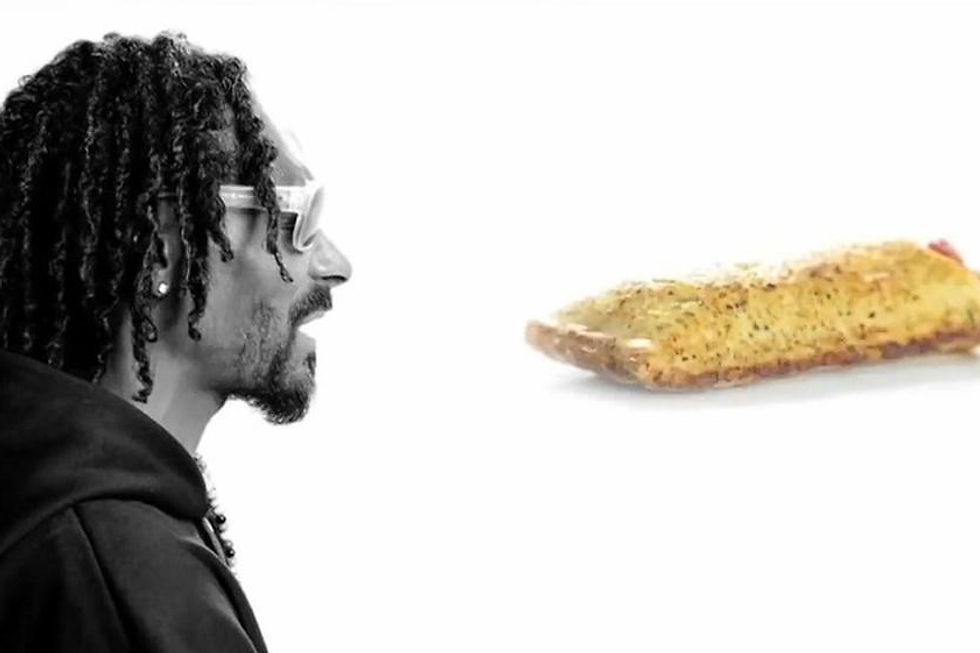
Snoop Dogg's narrative also reflects a significant transformation in celebrity endorsements. Once known for his controversial past, he reinvented his image through a plethora of ad campaigns, starting with a playful twist on his hit "Drop It Like It's Hot," renaming it "Pocket Like It's Hot" to promote Hot Pockets. His warm relationship with food brands, including Hot Pockets and even his partnership with Martha Stewart, showcases how celebrities can evolve, win over new audiences, and transform public perceptions.
Similarly, the '90s boy band NSYNC created a lasting impact with their unforgettable "I Want My Baby Back (Ribs)" commercial for Chili’s. Set on a deserted island and hilariously singing about their love for baby back ribs, the ad cleverly played on nostalgia while also solidifying the group’s connections to pop culture and fast food. Their follow-up commercial in a VH1-style recap format touched on Justin Timberlake's pre-solo career obsession with ribs, making it both a marketing success and a sentimental nod to the band's history.
The transformation of celebrities into food industry endorsers has been ongoing, with figures like Ice-T transcending their controversial pasts. Once viewed as a dangerous artist for his song "Cop Killer," Ice-T has redefined his image and is now celebrated for his role in "Law & Order." His recent Honey Nut Cheerios campaign emphasizes heart health, a far cry from his earlier persona, showcasing the evolution of the celebrity endorsement landscape where past conflicts can lead to an unexpected alliance.
In conclusion, the quirky world of celebrity food endorsements is rich with history, humor, and unexpected partnerships that range from the absurd to the truly touching. As celebrities continue to embrace their roles as brand ambassadors, fans can look forward to even more inventive and engaging campaigns that transcend traditional advertising norms. The journey from political figures to music legends embracing the world of food ads not only entertains but reminds us of the unique power and influence that comes with celebrity status. This trend only promises to grow and evolve, reflecting the shifting dynamics of both celebrity culture and consumer behavior in today's marketplace.


Comments