
Time's Illusion: Unraveling the Secrets of *The Celebrity Traitors*
Inside the Star-Studded Game of Deception and Drama Where Time Is Just a Construct
**Inside the Glamorous World of Celebrity Reality TV: A Look at The Celebrity Traitors**
In the ever-evolving landscape of reality television, *The Celebrity Traitors* has emerged as one of the most buzzworthy shows around, particularly with its highly anticipated second season. Featuring a diverse lineup of 21 celebrities divided into the riveting groups of "Faithful" and "Traitors," this captivating competition has already kept fans on the edge of their seats, with five contestants experiencing either banishment or dramatic elimination—a hallmark of the show’s thrilling narrative.
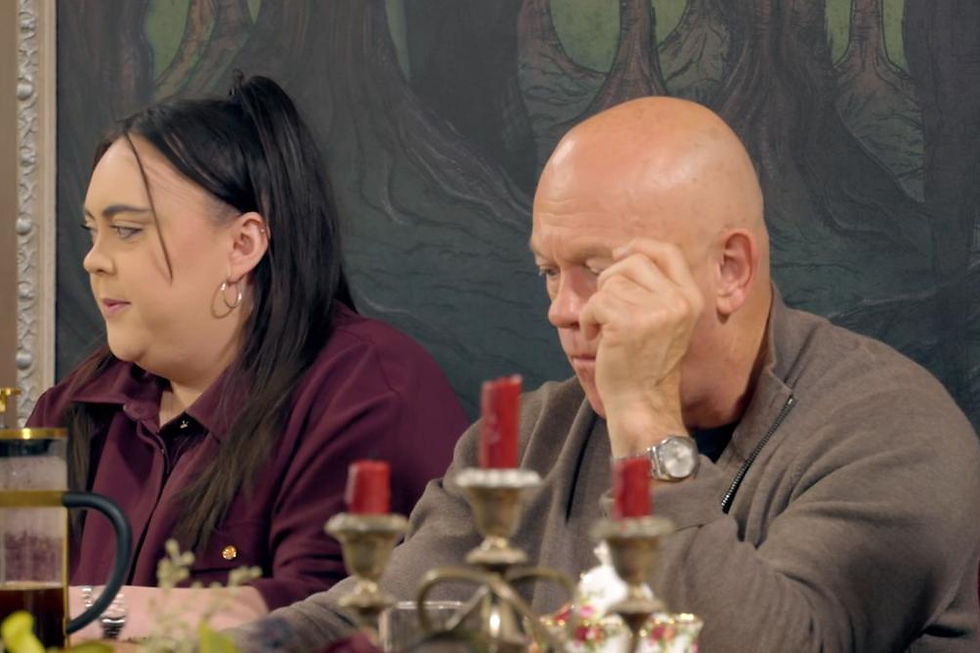
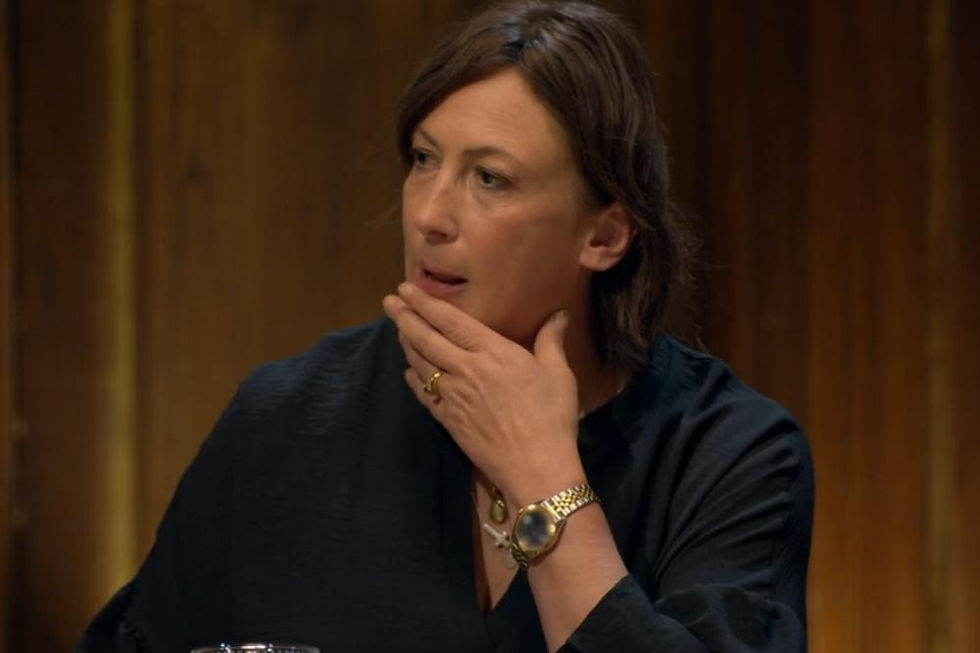
However, it’s not just the unfolding drama that has viewers talking. An interesting editing choice has emerged this season: the faces on the watches worn by contestants have been consistently blurred out. Fans noticed this peculiar detail during a recent roundtable discussion in the October 9 episode, where notable figures like actress Sharon Rooney and comedian Miranda Hart were spotted with their timepieces obscured. Fellow celebrities, including the likes of Ross Kemp, Joe Lycett, Richard E. Grant, and Amol Rajan, also faced the same curiously blurred fate with their watches.
The rationale behind this editing phenomenon is all about continuity and viewer immersion. Producers of *The Celebrity Traitors* often stitch together footage from various moments, sometimes out of chronological order, to create a compelling narrative thread. While audiences are generally savvy regarding the constructed nature of reality TV, producers aim to maintain a certain level of authenticity that captivates viewers without them realizing the behind-the-scenes tricks of the trade. The decision to allow contestants to wear watches in the first place raises an eyebrow, considering that many reality shows typically limit access to timepieces, deliberately crafting an environment that encourages contestants to fully immerse themselves in the experience.

Immersion is a foundational element of reality programming, famously demonstrated in series like *Love Island*, where timekeeping is wholly disregarded in the villa. The second season of *The Celebrity Traitors* seems to have slightly relaxed this rule, a move that some speculate could be linked to the impressive roster of celebrities willing to join the show. Harry Clark, the winner of the previous season, shared his experience with BBC News, explaining how contestants were completely cut off from knowing the time. "You get picked up in the morning, and when filming wraps up, you're dropped back to your lodgings," he noted, illustrating just how cocooned contestants are from the outside world.
The leniency regarding watches in this season stands in stark contrast to the first season, where comedian Nick Mohammed recounted his own experience on *The Comedian’s Comedian* podcast. He explained that contestants were stripped of all timekeeping devices and became reliant on production staff for direction. “When we asked for the time, the response was always, 'It's Traitors time,'" he recalled, highlighting the producers’ commitment to maintaining the show's immersive experience. Eventually, the frustration of contestants led to a revolt over their basic human right to know the time, prompting some flexibility in communication, though the strict ban on devices remained intact.

As the current season unfolds, fans are eager to see how this change impacts the gameplay and dynamics among the celebrity contestants. The fascinating interplay of strategy, deception, and alliances keeps viewers engaged weekly, all while grappling with the nuances of time management—not just in the traditional sense but in the original, chaotic rhythm the show creates. The blurred watch faces may incite curiosity, but they also serve to reinforce the manufactured intensity of the reality show, leaving fans more invested in each twist and turn of the plot.
The intersection of celebrity culture and reality television has always encapsulated a broad spectrum of human emotions, from betrayal to camaraderie. The presence of high-profile personalities enhances the drama, facilitating an exploration of public personas versus their private lives. Fans find joy not only in watching their favorite stars but also in observing how the pressures of competition shape their interactions and decisions. In this world, cleverly orchestrated game mechanics complicate relationships as contestants navigate trust, suspicion, and strategy—all under the scrutiny of a captivated audience.

As *The Celebrity Traitors* continues to gain traction, it raises intriguing questions about the nature of celebrity and the reality format. Is the blurring of timekeeping a mere whimsical choice or a significant tactic in maintaining an immersive experience? Regardless, one thing is clear: the show remains a captivating study of fame, competition, and the sometimes murky waters where loyalty and betrayal collide.
Ultimately, *The Celebrity Traitors* isn't just about who wins or loses; it's about how these iconic personalities evolve under pressure. With each episode, audiences get a little glimpse into the raw, unfiltered emotions of their favorite stars, reminding them that even in the glitzy world of celebrity, reality can often feel as real as it gets. As the twists unfold and alliances shift, fans eagerly await the next chapters in this thrilling saga, curious to see how blurred lines—both in time and trust—will shape the fate of their beloved contestants. Tune in every Thursday to witness the next thrilling installment of *The Celebrity Traitors*, where the glimmer of fame meets the shadows of intrigue.


Comments