
Texting Through History: How Distraction Shapes Celebrity Culture at the NBA Finals
- 6 hours ago
- 3 min read
Capturing the Moment: Navigating the Glitz of Celebrity Culture and the Modern Attention Crisis at the NBA Finals

In an electrifying display at Madison Square Garden, the NBA Finals reached new heights of celebrity engagement when Game 3 unfolded on June 8, featuring the New York Knicks battling the San Antonio Spurs. This game was especially poignant for Knicks fans, as it marked the team's first return to the Finals since 1999 on their home turf. The stakes were high, and the atmosphere was charged, not just on the court but also in the stands, filled with luminaries from the world of music, film, and sports.
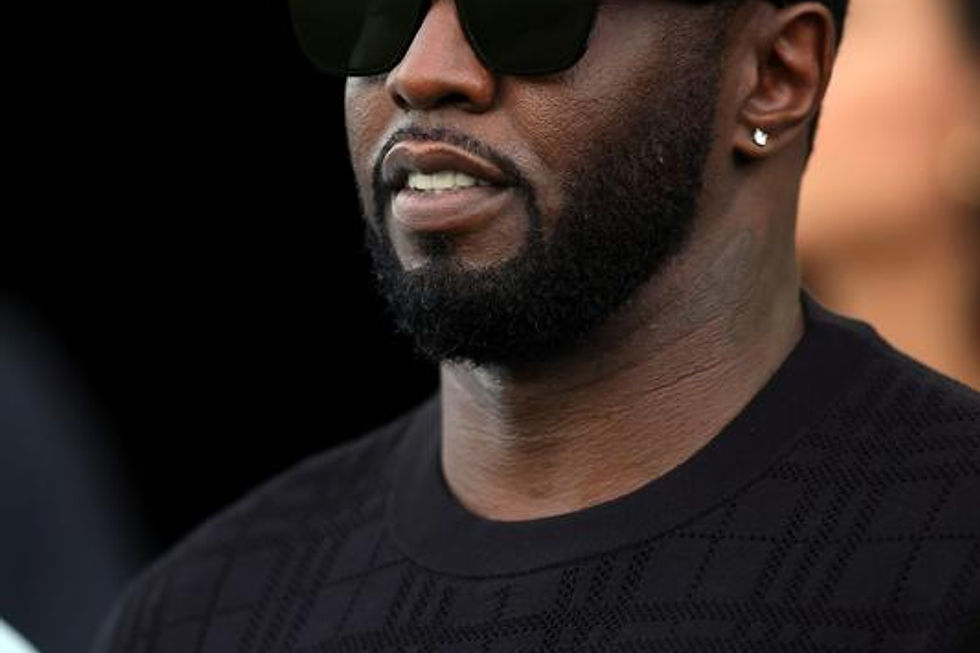
The NBA Finals are about more than just basketball; they are a nexus of culture, luxury, and the star-studded glamour of the entertainment industry. The night not only showcased a thrilling match but also promised a spectacular halftime performance by rapper Cardi B, drawing even more high-profile attendees. Among these elite figures was renowned music producer DJ Khaled, seated prominently in the celebrity row, a coveted spot known for its extraordinary views and exclusivity. However, the very allure of the event did not shield him from scrutiny when he appeared more engrossed in his phone than in the historic showdown taking place just a few feet away.

DJ Khaled's behavior sparked a debate across social media platforms, where fans and observers pondered the significance of presence at high-profile events. Many questioned whether one could truly experience the excitement and emotions of such a significant occasion while constantly distracted by their devices. This conversation went beyond superficial criticism, prompting a wider inquiry: In an age where access to major events comes with substantial financial investment, is the quality of attention part of what one should pay for, or is it up to each individual to decide how to engage with the moment?
In recent years, the entertainment landscape has sensed a growing disconnect between audiences and live experiences. As a reaction, many high-profile concerts are evolving to create what are termed “phone-free” environments. These initiatives, seen in performances by stars like Harry Styles, require attendees to put their phones away in specially designed pouches to minimize distractions. Such measures reflect a rising desire for full engagement, emphasizing the collective experience of being present without the interference of technology. Moments like these highlight the shift in audience expectations and the evolving norms of live events, pushing back against distractions that may detract from the experience.
Ultimately, DJ Khaled's appearance at Madison Square Garden was a visual representation of a more complex conversation that filled social media feeds after the game. It illustrated the multifaceted nature of live events today, where the thrill of a historic game often competes with other interests, both personal and social. Whether the focus is misplaced or simply a byproduct of the modern era, it's clear there is a newfound emphasis on how we navigate the interface of technology and personal experience. As celebrities continue to shape the narrative surrounding high-profile events, these conversations are crucial in understanding our shared cultural practices.
As the dust settled on Game 3 of the NBA Finals, it became evident that celebrity culture is inextricably linked to the grandiosity of significant moments in sports and entertainment. The spectacle was not limited purely to the athletic performance on the court; it extended to the dynamic ambiance created in the stands, the social media buzz, and the conversations sparked by a single moment of distraction. In a world where many crave the experience of being present, the challenges of modern attention stand out as both a adversary and an invitation to rethink what it truly means to engage in the here and now.
Overall, the lively intersection of sports and celebrity culture at Madison Square Garden reminds us that even during historic events, the lens through which we view our experiences is shaped by contemporary behaviors and expectations. As conversations about attention in live settings continue to evolve, the NBA Finals—and similar events—will undoubtedly remain a focal point for discussions about the cultural significance of experience in our increasingly digital world. The blending of celebrity, sports, and the pursuit of genuine engagement serves as a reminder of the delicate balance many strive to attain in a world characterized by distraction.


Comments