
Stars Behind the Struggles: Celebrities Battling Rare Diseases
Bravely Facing Rare Diseases: Celebrities Shine a Light on Personal Struggles and Inspire Compassion
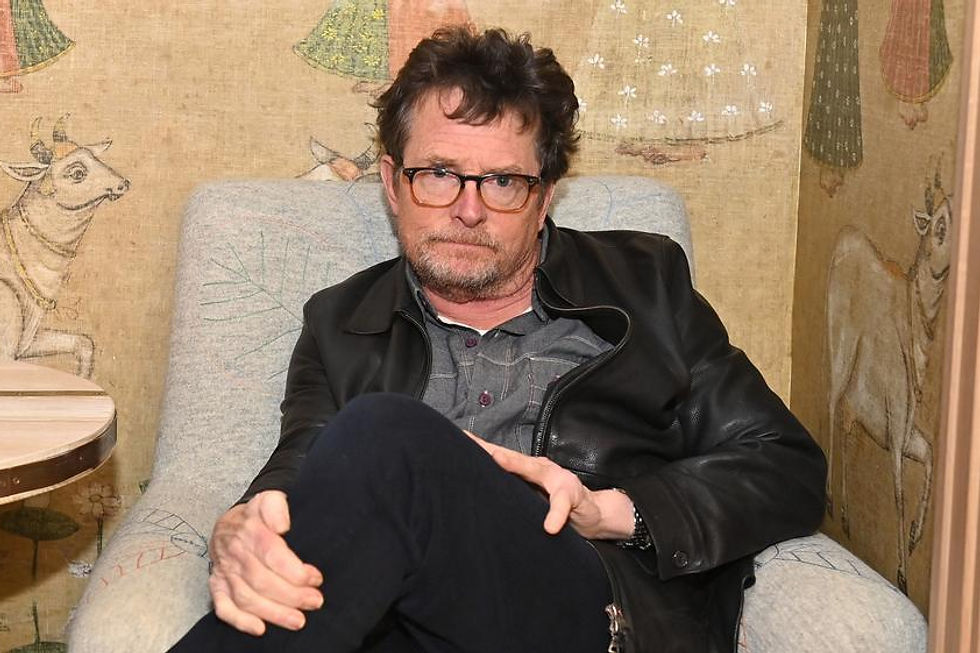
The world of celebrities often serves as a window into unique and challenging personal stories, particularly when it comes to rare diseases. These stories highlight not just the struggles of famous figures but also the broader reality that approximately 300 million people globally are navigating life with rare conditions. According to recent findings published in The Lancet Global Health, around 5 to 7% of the global population lives with a rare disease, and Raredisease.org reports that half of those are found in children. Disturbingly, a mere 5% of the 100,000 recognized rare diseases have received government-approved treatments, largely due to the staggering costs associated with developing cures for conditions that impact smaller populations.
The weight of this crisis resonates deeply with some of the most prominent figures in entertainment, many of whom have bravely shared their battles with rare diseases to raise awareness and inspire others. For instance, Robin Roberts, the revered anchor of "Good Morning America," candidly discussed her experience with myelodysplastic syndrome (MDS) after enduring breast cancer treatment. In a heartfelt segment from 2013, Roberts recounted her debilitating struggle with "bone-weary exhaustion" while covering events like the Oscars. MDS, a blood cancer affecting around 4 in 100,000 people in the U.S. each year, posed a significant threat to her life. With the unlikelihood of finding a bone marrow match among her siblings—only 30% of siblings are suitable donors—Roberts felt immense gratitude when her sister stepped up to help. Furthermore, she took to her platform to advocate for bone marrow donation, embodying the belief of turning personal hardship into a meaningful message for others.

Michael J. Fox’s journey offers another compelling narrative about living with a rare disease. While filming "Doc Hollywood" in 1991, Fox noticed an unusual tremor in his finger, which ultimately led to a shocking diagnosis of early-onset Parkinson's disease at just 29 years old. In his documentary, "Still: A Michael J. Fox Movie," he reflected on how this diagnosis changed his perspective on life and fame. Despite the grim statistics—only 2% of Parkinson's diagnoses occur in individuals under 40—Fox chose transparency. He opened a dialogue about the physical and emotional toll of living with chronic pain and urgency for a cure through his foundation's work. Despite the hardships, Fox's resilience allowed him to continue appearing in films and television, demonstrating that personal battles could coexist with public achievement.
Similarly, prolific singer-songwriter Linda Ronstadt faced a devastating health challenge when her voice began to falter during rehearsals. Her 2013 diagnosis of Parkinson’s disease was later refined to progressive supranuclear palsy (PSP), a disorder with a significantly quicker progression that affects only about 10 in 100,000 people. Although Ronstadt couldn't sing, she found solace in music's presence in her life, even humorously remarking how sometimes unwanted melodies would play in her head, overshadowing her memories of musical mastery. Given there is no effective treatment for PSP and medications for Parkinson's have little impact, Ronstadt has accepted her reality with grace, emphasizing to audiences the importance of embracing life's smaller joys despite immense challenges.

Karen Duffy’s journey through rare disease highlights a different set of challenges. Diagnosed with neurosarcoidosis in her late 20s, she experienced debilitating headaches that transformed into chronic pain, affecting her nervous system. The complex nature of this condition, which occurs in only 5 to 15% of sarcoidosis patients, forces Duffy to confront the limitations of her life as a former MTV personality. Yet, she adopted a philosophy of stoicism to navigate her pain, believing that while she cannot control the disease, she can choose her responses. This empowering perspective encourages others grappling with similar health issues to focus on gratitude and resilience.
Musician Huey Lewis has faced his own battles as well, with health challenges that began decades ago when he dealt with vertigo episodes. His condition escalated over the years, leading to nearly complete hearing loss after being diagnosed with Meniere's disease—a rare inner ear disorder affecting one in 2,000 people. Lewis's experiences with fluctuating hearing have reshaped how he views music and performance. Although cochlear implants have allowed him to regain some ability to comprehend speech, he finds that recreating the sensation of making music remains elusive. This dissonance between passion and limitation resonates powerfully, reminding fans that even celebrities face profound personal trials.

The stories of these remarkable individuals remind us that the celebrity sphere is laced with trials that many might not expect. These stars not only navigate their own health challenges but also leverage their platforms to raise awareness about rare diseases and advocate for others facing similar situations. Each narrative is a poignant reminder of the universal struggles with health and an invitation to model compassion and support for all individuals living with invisible battles. As these public figures shine a light on the realities surrounding rare conditions, they inspire us all to become more empathetic and active in learning about and supporting those affected.


Comments