
Soundtrack of Protest: Musicians Take a Stand Against Trump's Political Playlist
- Dec 2, 2025
- 4 min read
Musicians Unite Against Trump's Unauthorized Use of Their Music: A Symphony of Protest and Artistic Integrity
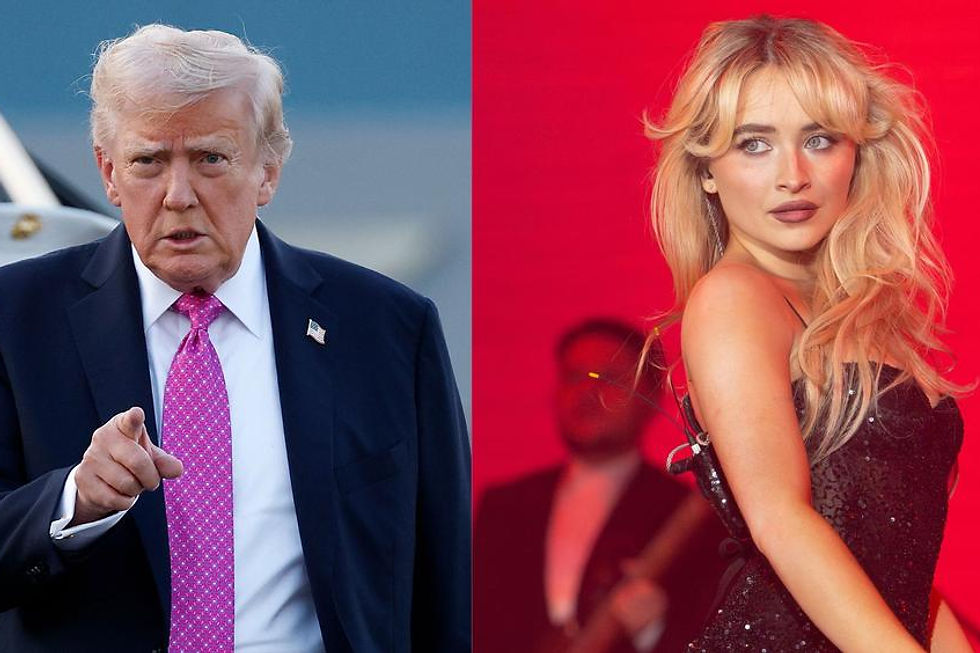
**Celebrities vs. Politics: Musicians' Reactions to Trump's Music Usage**
In the intersection of music and politics, few figures have sparked as much controversy as Donald Trump. Throughout his presidencies, numerous artists from diverse genres have firmly objected to the use of their songs in support of his political agenda, leading to a notable backlash from the music industry. This opposition illustrates not just the tension between art and politics, but also highlights how celebrities increasingly leverage their platforms for activism. This article explores the reactions of various musicians who have publicly confronted Trump's administration over the unauthorized use of their music.
One prominent figure among these artists is Sabrina Carpenter. In December 2025, she took a stand against Trump’s use of her hit song "Juno" in a video promoting strict ICE raids against immigrants. Expressing her outrage, Carpenter tweeted, “This video is evil and disgusting. Do not ever involve me or my music to benefit your inhumane agenda.” Her response epitomizes the sentiment shared by many musicians who feel their art is being exploited for politically charged narratives they do not support.
Similarly, pop sensation Olivia Rodrigo has not shied away from criticizing Trump. In November 2025, her song “All-American Bitch” was featured in a video that advocated for the deportation of immigrants. Rodrigo made it clear that she would not stand for her music being used to promote “racist, hateful propaganda.” This confrontation underscores the broader trend of artists, especially younger musicians, using social media as a platform to address issues of political integrity and social justice.
Iconic rock duo Jack White and Meg White of The White Stripes also took steps to protect their artistic integrity from political appropriation. In September 2024, they filed a complaint against Trump for using their song "Seven Nation Army" in his advertisements and rallies without consent. Even though they later withdrew the complaint in November, their initial stance highlighted a critical issue: the unauthorized use of music stretches beyond simple copyright infringement to touch on artistic ownership and personal values.
Other artists have similarly decried Trump’s usage of their songs. Steven Tyler of Aerosmith has been vocal about wanting to prevent his songs "Dream On" and "Living on the Edge" from being played at political gatherings. Celine Dion’s team swiftly issued a statement in response to the use of her signature song "My Heart Will Go On" at a Trump rally in Montana, emphasizing that the usage was unauthorized and did not reflect Dion’s views. This strong pushback indicates the unwillingness of many artists to allow their work to be co-opted for political purposes, especially when it contradicts their beliefs.
The theme continues with ABBA, whose record company publicly requested the removal of their songs from Trump’s events after discovering they were being used without permission. The band members also joined in voicing their disquiet over this issue. Similarly, Beyoncé experienced a violation of her musical rights when her track "Freedom" was improperly associated with Republican messaging. Her record label responded by sending a cease-and-desist letter, reinforcing that artists wish to maintain control over their work and its message.
This strong reaction is not limited to the pop and rock realms. Artists across genres, such as Bruce Springsteen, have made it clear that their music does not align with Trump's political values. Springsteen condemned the use of his song "Born in the U.S.A." at political events, reminding the public of its nuanced themes that reflect the struggles of American workers rather than serving as a rallying cry for right-wing politics. The Foo Fighters also voiced their disapproval after their song "My Hero" was used at a Trump rally in 2024.
Axl Rose, the frontman of Guns N' Roses, has a notable history of confronting Trump over the unauthorized use of their music, particularly "Sweet Child o’ Mine." The outrage extends beyond individual artists as well. In a more pointed fashion, Rihanna took legal action in 2018 against Trump for utilizing her track "Please Don’t Stop the Music" at rallies, illustrating how musicians are increasingly prepared to take strong legal stands to protect their artistic integrity.
Even classic rock legends like Ozzy Osbourne have made their displeasure known. Alongside Sharon Osbourne, they publicly announced their prohibition against the use of Ozzy’s music in political campaigns, emphasizing the need to draw a line against its implications. This sentiment resonated across many artists, including members of The Rolling Stones, who publicly objected to Trump's usage in both 2016 and 2020.
Through these instances, we see a powerful narrative unfolding in the world of celebrities and their undeniable role in political discourse. Musicians cannot be passive bystanders to the political arena; they are increasingly asserting their rights and standing up against the appropriation of their artistic contributions. By voicing their objections, these artists not only reclaim their music but also engage their audiences in broader discussions about ethics, rights, and the importance of aligning one’s artistry with their beliefs.
Ultimately, the refusal of these artists to allow their music to be used as political tools serves as a reminder of the power of celebrity voices in acting against ideologies they oppose. As the music industry continues to evolve, it remains clear that artists will remain vigilant guardians of the message conveyed through their work, passionately defending its integrity against unwarranted exploitation.


Comments