
Shadows Over Sandringham: The Royal Arrest That Could Change Everything
- 3 hours ago
- 3 min read
Royal Controversy Unveiled: The Arrest of Andrew Mountbatten-Windsor and Its Impact on the Future of the British Monarchy
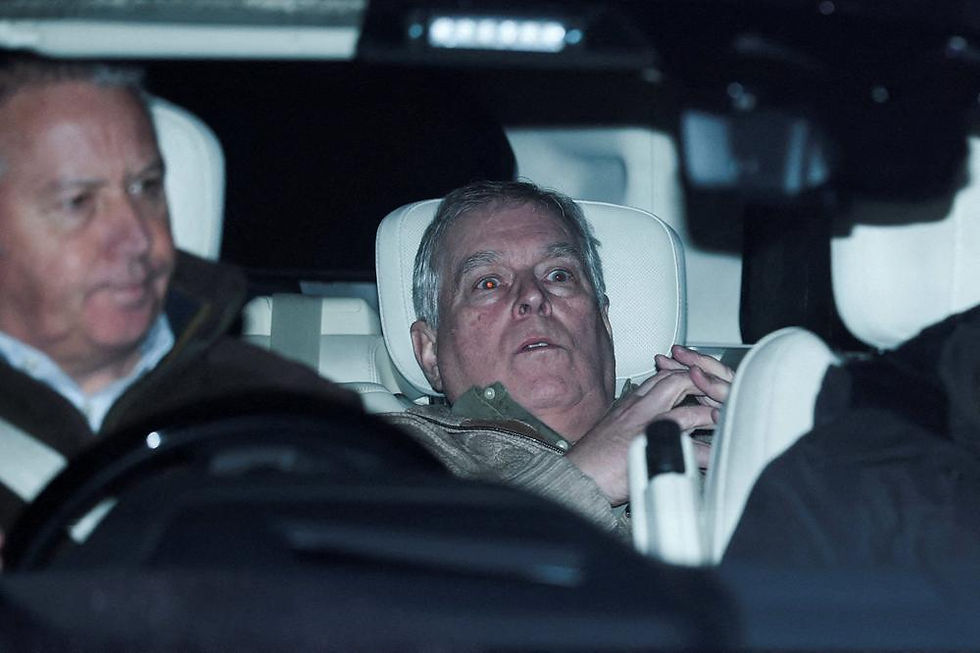
On February 20, 2023, Andrew Mountbatten-Windsor, formerly a prince and now a subject of intrigue and controversy, was arrested by British authorities on suspicion of misconduct in public office. This incident unfolded just a day after he celebrated his 66th birthday. The arrest, which sent shockwaves through the celebrity world, sheds light on the former royal’s tumultuous connections to high-profile figures and raises significant questions about the monarchy's future.
Mountbatten-Windsor's arrest occurred amidst growing scrutiny of his past associations, particularly with the notorious financier Jeffrey Epstein, who was a convicted sex offender. According to reports, onlookers witnessed six unmarked police vehicles at the royal Sandringham estate in Norfolk, marking a dramatic turn in the narrative surrounding this once-respected royal. Although he has consistently denied any wrongdoing, the investigation is largely focused on allegations suggesting that he misused confidential trade information during his time serving as the U.K.'s representative for international trade.
In the larger picture, the royal family, particularly King Charles III, faces immense pressure regarding transparency and accountability. Royal commentator Andrew Lownie suggests that the monarchy might weather the storm if it embraces reforms and opens itself to parliamentary inspection. He argues that the ongoing challenges facing the royal family stem from a significant breach of public trust. Lownie refers to this moment as a “#MeToo movement for the monarchy,” highlighting the potential for both stabilization and the need for deep-seated changes, especially as Prince William prepares for his future role as king.
Complicating Mountbatten-Windsor's situation further is the fallout from his ex-wife Sarah Ferguson's own links to Epstein. Documents reveal that Ferguson sought business advice from Epstein in the years leading up to and following his conviction. This revelation solidifies the idea that their historical connections run deep, an unfortunate intertwining of personal and legal troubles. Ferguson, despite their divorce, maintained a cordial relationship with Andrew and even invited Epstein to his 50th birthday party while he was under house arrest. Such revelations not only bring further scrutiny to Andrew's character but also reflect an alarming proximity and apparent normalcy in relationships with discredited individuals.
Mountbatten-Windsor remains in the public eye, not only due to his controversial friendships but also because he still holds a place in the line of succession—even after being stripped of his royal titles. As the eighth in line for the throne, drastic measures would need to be enacted by the U.K. Parliament for any change to that standing, a process requiring consensus from various Commonwealth nations. There have been whispers among lawmakers about this possibility, but any changes could lead to further tumult within an already strained monarchy.
As various media sources continue to unravel details about the Epstein files associated with Mountbatten-Windsor, several pieces of information have surfaced, including photographs of him in the company of women whose identities have been redacted due to ongoing investigations. The combination of these allegations and the public's voracious appetite for royal gossip underscores the precarious balance the royal family must strive to maintain. Comments from public figures and authorities, including U.S. attorney Gloria Allred, emphasize the urgency and seriousness of investigating the allegations against powerful figures like Mountbatten-Windsor.
The public fallout has also prompted responses from notable figures. Former President Donald Trump remarked on the situation, expressing his sympathy for the royal family. King Charles III, in an official statement, expressed his concern and support for law enforcement as the investigation unfolds, reminding the public of the necessity for due process. His calm demeanor signifies a degree of awareness that the British monarchy is at a crossroads, needing to adapt and evolve or risk fading relevance amid scandals that shake the foundations of tradition.
As the high-profile saga continues, Mountbatten-Windsor’s status remains uncertain as he navigates these complicated waters. Such a public arrest adds another layer to the already high-stakes game surrounding royal accountability and the institutional reforms necessary for the preservation of the monarchy. Observers are keenly watching for the next steps—both for Andrew and for the institution he represents—which could reshape perceptions of royalty in modern Britain and beyond.
In conclusion, the arrest of Andrew Mountbatten-Windsor exemplifies the blend of celebrity culture, royal scrutiny, and serious legal repercussions. As events unfold, the interactions between Mountbatten-Windsor, his family, and the historical weight of their legacies will continue to captivate and challenge perceptions of the British monarchy in today’s world.


Comments