
Paws and Stars: How Dogs Are Stealing the Spotlight in Brand Marketing
- Aug 20, 2025
- 3 min read
Why Your Next Marketing Superstar Might Just Have Four Legs and a Wagging Tail
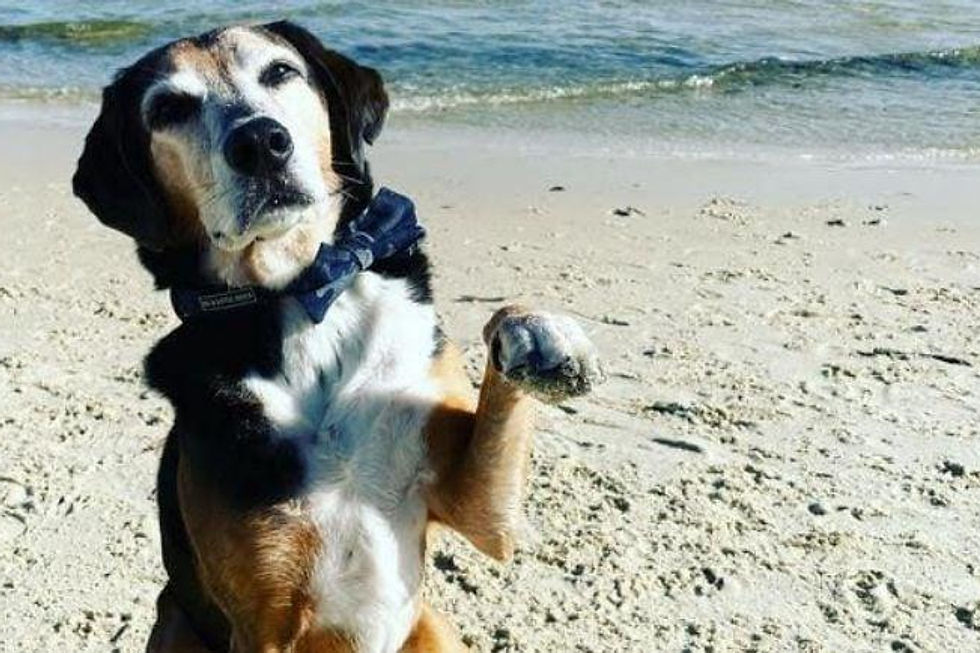
**The Changing Landscape of Celebrity Endorsements in Brand Marketing**
As we celebrate International Dog Day, a fascinating dialogue emerges around the effectiveness of celebrity endorsements in the world of branding. Patrice Pandeleos, Managing Director of Seven Communications, poses an intriguing question: Are brands relying on the right messengers for their campaigns? For decades, celebrities have held a significant role in public relations, largely due to their star power and appeal. However, the dynamics of consumer trust are shifting, making it essential for brands to rethink their strategies.

The landscape of celebrity influence is evolving. Consumers, increasingly savvy, are not swayed by mere fame. They now scrutinize promotional messages and quickly sniff out when a campaign feels contrived or lacks authenticity. This paradigm shift highlights the critical role of trust in brand representation, emphasizing that the messenger can fundamentally influence how a message is received. While celebrities bring glamour and recognition, they might also come with baggage—scandals or personal controversies that can overshadow the messages they carry. Enter the dog: a non-controversial, relatable, and universally loved symbol, dogs have the power to communicate trust and genuine emotion without saying a single word.
Interestingly, the numbers tell a compelling story. In Australia, two-thirds of households own pets, with a significant majority favoring dogs. This pre-existing emotional connection means that campaigns involving dogs can tap into well-established affection, making them relatable right from the start. Instead of sidelining celebrity ambassadors altogether, the key is aligning the right type of messenger—be it human or canine—with the brand’s narrative and the values it represents. For instance, when campaigns emphasize everyday trust, joy, and warmth—attributes that dogs naturally embody—they resonate far more than those relying solely on star appeal.

The essence of authenticity shines through in marketing, and this is where dogs triumph where celebrities often falter. Pets exude genuine affection and a lack of self-consciousness, making them an ideal choice for brands aiming to connect on a deeper, more emotional level. For instance, an innovative campaign from Pet Circle creatively places dogs in heroic roles, showcasing their bravery while promoting pet wellbeing. Such storytelling feels spontaneous, uplifting, and resonates with audiences, fostering an organic connection that can attract positive media attention without relying on over-the-top marketing techniques.
From a financial perspective, incorporating dogs into marketing strategies offers significant advantages. Celebrity endorsements often come with hefty financial demands—appearance fees, travel costs, and a whole entourage—expenses that can make campaigns economically burdensome. In contrast, dogs present a unique opportunity for businesses to engage customers with a lower price point. The pivotal factor is ensuring that the involvement of a dog aligns perfectly with the campaign’s intent. Even the most beloved breeds can backfire if their participation feels forced or too contrived, just as a mismatched celebrity can derail a campaign's success.

Supporting this idea, scientific research underscores the impact dogs can have on our emotional responses. Studies reveal that even a brief exchange of eye contact with a dog can trigger the release of oxytocin, the hormone often associated with bonding and trust. With nearly 70% of Australian households having pets, utilizing dogs in marketing campaigns can create the familiarity and warmth consumers seek, transforming a simple advertisement into an engaging everyday moment rather than a blatant sales pitch.
For public relations professionals, the choice between using a celebrity or a pet should never be purely reflexive or budget-based. A few critical questions should guide this decision-making process: Does the campaign need relatability or aspiration? Can we uphold the narrative's authenticity? How can we measure impact beyond mere likes and shares? By fabricating an insightful understanding of these elements, PR specialists can align their messenger choices with broader campaign goals and ultimately foster a genuine connection with the audience.
In conclusion, while celebrity endorsements still possess a place in brand marketing, International Dog Day serves as a reminder that sometimes the most impactful representatives are the ones that foster immediate trust and emotional resonance. As consumer perceptions evolve and brands adapt, the trustworthiness of our canine companions might outshine the allure of Hollywood stars. In this playful yet profound shift, it becomes clear that the next time you contemplate whom to feature in your campaign, the dog next door might very well be the star you need. As brand narratives continue to intertwine with trust, relatability, and authenticity, one thing is certain: the future of marketing may very well be characterized by wagging tails and joyful barks.


Comments