
From Superhero to Advocate: Christopher Reeve's Inspiring Journey of Resilience
From the Silver Screen to the Advocacy Stage: Christopher Reeve's Unyielding Quest for Hope and Change
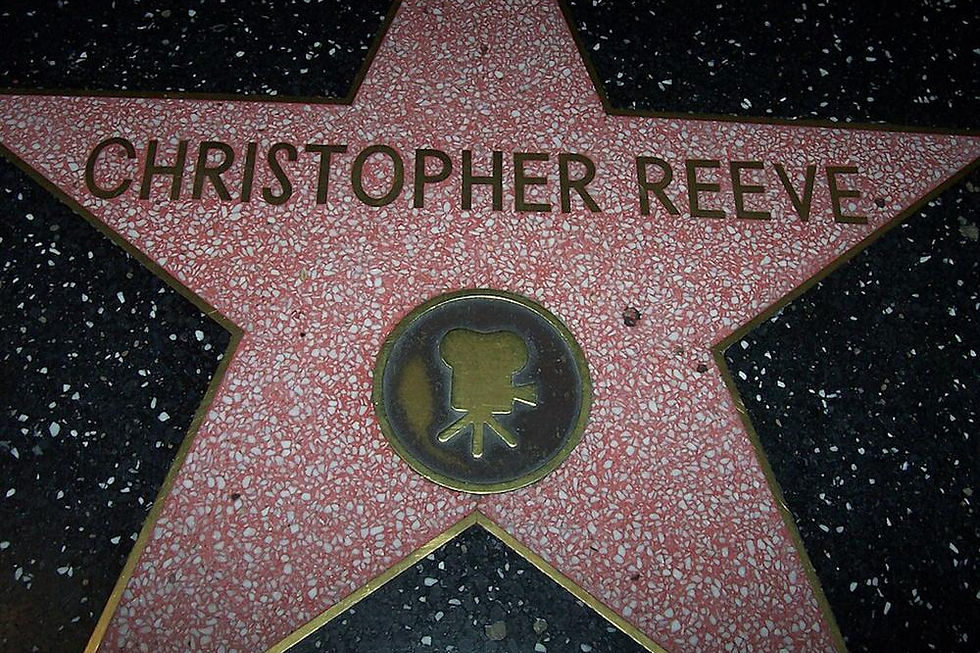
Christopher Reeve, best known for his iconic portrayal of Superman, transformed his life-altering accident into a powerful movement advocating for research and rights for individuals with disabilities. While his role as the Man of Steel catapulted him to international fame, it was the events that followed a tragic equestrian accident that shaped his most significant legacy. Reeve's journey transitioned from a celebrated actor to a prominent advocate for both spinal cord injury research and disability rights, inspiring countless individuals with his tenacity and vision for change.
Born in 1952 in New York City, Reeve's affinity for acting was evident from an early age. He honed his craft at prestigious institutions like Cornell University and Juilliard, ultimately establishing a successful career across various entertainment mediums, including theater and film. However, it was his groundbreaking performance in the 1978 Superman film that solidified his status as a household name. Despite his fame, Reeve's career landscape was diverse, featuring compelling roles in films like "Somewhere in Time" and "The Remains of the Day," along with his directorial work on the HBO film "In the Gloaming." His artistic pursuits continued even after his life took an unexpected turn.

On May 27, 1995, everything changed when Reeve suffered a catastrophic spinal cord injury from a horse riding accident that left him paralyzed from the neck down. Faced with the daunting challenges of physical limitations, Reeve chose not to retreat from the public eye, but rather to embark on a mission advocating for the potential of spinal cord injury research and disability rights. He utilized his platform to bring attention to the need for scientific advancements and increased funding, collaborating with the National Institutes of Health and pushing for supportive legislation around stem cell research.
By 1999, Reeve became the chairman of the Christopher Reeve Foundation, which was later renamed the Christopher & Dana Reeve Foundation following the untimely death of his wife, Dana, in 2006. The Foundation’s mission is twofold: to advance research aimed at healing spinal cord injuries and to improve the quality of life for those affected by paralysis. Under Reeve’s guidance, the organization became a significant player in the fight against paralysis, embodying his belief that dreams, which may initially seem unattainable, can be realized through willpower, persistence, and collective effort.
Reeve's famous quote reflects this sentiment: "So many of our dreams at first seem impossible, then they seem improbable, and then, when we summon the will, they soon become inevitable." This statement not only encapsulated his philosophy but also served as a rallying cry for individuals facing the challenges of paralysis. The essence of his advocacy lay in his ability to reshape the narrative surrounding spinal cord injuries, shifting perceptions from hopelessness to a culture of hope. Reeve actively helped reshape existing beliefs, showing that with determination and a united effort, the boundaries of medical progress could be redefined.
Reeve passed away in 2004 at the age of 52, yet his legacy endures through the relentless work of the foundation and the groundbreaking research community he inspired. His life story underscores the notion that adversity can be a catalyst for profound change. The progression from the seemingly impossible to the inevitable became more than a mantra for Reeve; it reflected his vision of a world free from the limitations of paralysis. His influence continues to impact the lives of countless individuals, advocating for both awareness and research in ways that challenge assumptions about what is achievable.
In the glamorous yet often superficial world of Hollywood, Reeve emerged as a beacon of resilience and hope. He turned personal tragedy into an opportunity not only to advocate for himself but for the millions of others who face similar challenges. As the entertainment industry continues to evolve, the impact of Reeve's work resonates strongly, reminding us that true heroism does not only lie in fictional characters but also in the real-life battles that individuals like him undertake. Ultimately, his legacy is a testament to the power of dreams, will, and community, inspiring generations to push boundaries and strive for meaningful change beyond what people might deem possible.


Comments