
Fame, Perception, and Privilege: The Unfolding Drama Between Kelly Clarkson and Art of Play
Kelly Clarkson's Shopping Drama Sparks Celebrity Culture Debate as Art of Play Defends Its Ground Amidst Viral Fallout
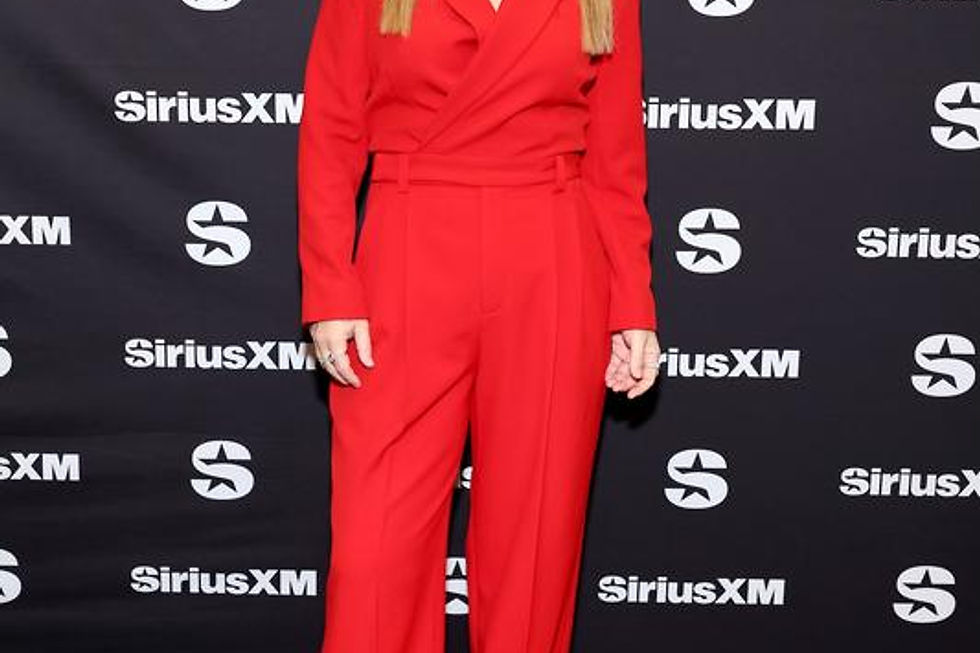
In the ever-dramatic world of celebrities, tensions are flaring as Kelly Clarkson finds herself at the center of a controversy involving the Brooklyn-based store, Art of Play. Co-owner Adam Rubin is making waves with bold comments about the singer following her accusations of being treated poorly during her shopping experience. The saga began when Clarkson publicly shared her disappointment over feeling snubbed by an employee who, in her view, judged her purchasing power. Rubin’s outspoken reaction sheds light on the complexities of celebrity culture and the expectations placed on those in the public eye.
Clarkson visited Art of Play, a boutique specializing in toys and games, intending to find a unique animatronic bird named "Molly." Instead, she claimed that the staff perceived her as someone who couldn’t afford the merchandise. In a withering post on X (formerly Twitter), she expressed her frustration: “I drove all the way to Brooklyn to check out this store I thought looked really rad… and literally was looked at as if I couldn’t afford it.” She likened her experience to Julia Roberts' iconic character in "Pretty Woman," suggesting that her treatment was both condescending and disappointing. The post swiftly went viral, triggering a chain reaction of responses from both Clarkson's fans and the store's proprietors.
Rubin did not hold back in his defense, stating in a follow-up interview with Page Six that nobody recognized Clarkson when she visited the store. "We have celebrities coming all the time," he said. “Nobody recognized her. We are not reading the gossip columns. We’re not watching TV. We don’t know who people are.” This brings to light an essential aspect of celebrity culture: the perception versus the reality. Many stores, especially small businesses, may treat all customers the same, oblivious to the fame individuals carry with them. Rubin emphasized that they aim to treat everyone with respect and without bias, suggesting that not all businesses cater to the whims of celebrity status.
The heart of the matter surrounds the fabled Molly, the animatronic bird that Clarkson claims has a price tag of $15,000. Rubin clarified that the bird was never for sale since it serves as the store’s mascot and was not attached for sale purposes. He mentioned the elaborate process of creating such pieces, stating that the artist responsible takes years to make them, and they mainly work with serious buyers. Following the viral incident, the price for Molly escalated dramatically, now humorously advertised at $15 million. “In the past 72 hours, Molly has become the most famous singing bird automaton in the world,” Rubin quipped, emphasizing the absurdity of the situation that exploded into the public eye.
This interaction raises profound questions about the dynamics between celebrities and the general public, especially business owners. How much power and influence do celebrities hold over smaller enterprises, and how does that interplay affect the experiences of regular customers? Rubin's observations point to a need for a broader conversation about the societal standards we place on influential figures. He argues that when someone like Clarkson, with her vast fame, uses social media to share grievances, it can easily transform into a damaging situation for those perceived as beneath her in the social hierarchy. In a world of online backlash, the implications for small businesses can be overwhelming.
What transpired between Clarkson and Art of Play serves as a reminder that even the smallest actions can lead to significant fallout in the fast-paced, high-stakes realm of celebrity culture. The drama fuels ongoing discussions about privilege, fame, and accountability. With celebrities wielding substantial influence through their platforms, the responsibility they hold towards their audience and the world around them becomes more pronounced. As Rubin insists, there should be a reconsideration of how celebrities are perceived and treated, especially when they have the power to sway public sentiment with a single post.
In conclusion, the confrontation between Kelly Clarkson and Art of Play encapsulates the broader issues of celebrity dynamics and the repercussions of fame in modern society. Rubin’s responses have opened up an ongoing dialogue about the mistreatment that may occur when power dynamics shift among ordinary consumers and renowned personalities. It also serves as a cautionary tale for celebrities, urging them to think critically about how their words and social media interactions impact the lives of others. The saga isn’t just another celebrity scandal; it’s a reflection on our societal values and the changing landscape of fame in the digital age, where every action can reverberate far and wide, sometimes with unforeseen consequences.



Comments