
Fame and Boundaries: Celebrities Who Turned Down Playboy
- Jun 21, 2025
- 4 min read
Navigating Fame and Integrity: The Personal Choices Behind Celebrity Rejections of Playboy's Allure
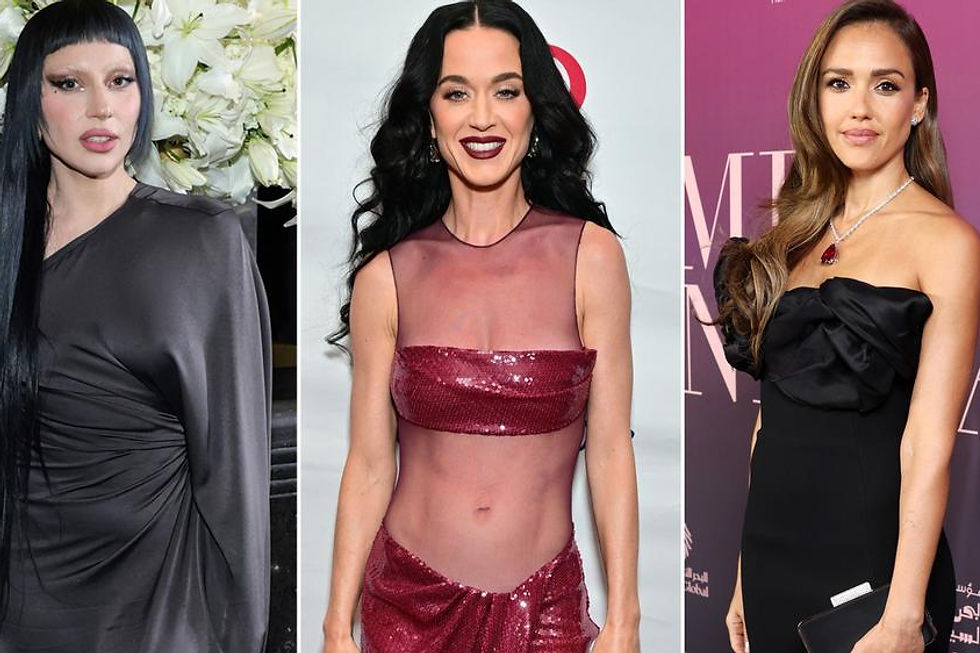
The world of celebrities often intersects with controversial decisions, and few things spark debate as much as posing for Playboy magazine. Once a behemoth of pop culture, Playboy featured some of the biggest names in entertainment during its height, like Madonna and Cindy Crawford. While many viewed the opportunity to pose for the magazine as a significant honor, others flat-out rejected the chance, often for deeply personal reasons. The stories of celebrities who turned down lucrative offers from Playboy reveal a fascinating complexity in navigating fame, image, and personal values.
Lady Gaga is known for her daring public persona but chose to decline Playboy's invitation in 2009. In her characteristic playful manner, she suggested she might reconsider if the timing was right for a promotional opportunity. “If I was a glamour model, I would be delighted [with Playboy’s offer], but for me, it's all about the music,” she remarked. Her remarks underscore a priority for many artists: a commitment to their craft over the allure of fame that comes from revealing photographs. So far, her career choices have refrained from veering into the Playboy territory, which she seems to regard as a distraction from her main artistic endeavors.
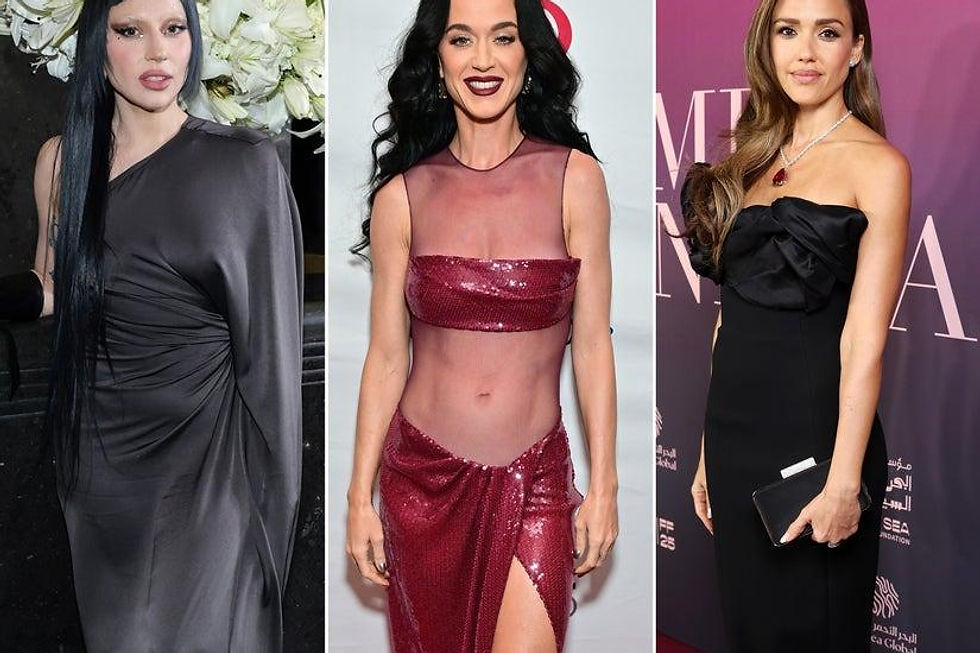
Katy Perry took a similar stance, despite having posed for other men’s magazines such as FHM. In 2008, she expressed a strong desire to avoid the Playboy path, stating that she didn’t want to be labeled as a “Playboy girl” like some of her predecessors. “I don’t want to go all [Kim] Kardashian,” she commented, recognizing the nuances around how women are portrayed in media. Perry acknowledged that her body garners attention, but she intended to handle that attention in ways she finds empowering rather than compromising her artistic identity.
Jessica Alba had her own tumultuous experience with Playboy, despite being voted one of the "25 Sexiest Celebrities" in 2006. While she was approached to pose for the magazine, Alba declined and discovered that Playboy had used a bikini photo from another source without her consent. This misstep frustrated her so much that she considered legal action but ultimately accepted an apology from Hugh Hefner, who promised to donate to her chosen charities. Alba's example highlights the critical conversation about consent and representation, particularly how celebrities navigate their public images and the potentially exploitative nature of such publications.

Similarly, Paris Hilton's relationship with Playboy was contentious. After years of rejecting Hefner's advances owing to family concerns about her image and the stigma surrounding her past, Hilton found herself on the cover of the magazine in 2005 without having consented to a shoot. Although she was honored with the title of “Sex Star of the Year,” the decision to feature her raised ethical questions around how magazines acquire images. Hilton's dilemma illustrates the ongoing balancing act many public figures face regarding their brand identity and familial ties, particularly in the age of digital scrutiny.
Earlier in her career, Melissa Joan Hart was also presented with an enticing offer to pose for Playboy, which she had to weigh against her previous experience with a Maxim photoshoot that had spiraled into scandalous repercussions. The scrutiny that accompanied that earlier decision made Hart think long and hard before ultimately turning down the million-dollar offer from Playboy. “I learned that I didn’t want to do Playboy,” she reflected, recognizing that the stakes were high when it came to her public persona and family reputation.

Meanwhile, Kelly Osbourne's story took an interesting turn when she initially showed interest in posing for the magazine. However, when the offer finally came, she felt it wasn’t right for her, especially considering the potential impact on her family. Osbourne indicated that she’d prefer a tasteful approach to any possible future projects, illustrating that any such decision isn't merely business but wrapped in familial love and legacy.
Nelly Furtado's situation further highlights varied perspectives among artists. Though offered $500,000 in her early twenties to pose fully clothed, Furtado turned it down, feeling it was too early in her career for such an association. She expressed confidence that she might reconsider if the circumstances were right much later in her life. This unique stance suggests that timing, maturity, and career context play a substantial role in decision-making for celebrities navigating media landscapes.

Other celebrities, such as Jennifer Love Hewitt and Mel B from the Spice Girls, have also turned down repeated offers from the magazine. Hewitt’s decision followed negative attention she received about her body, further compounding the idea that celebrity image is a fluid and often fraught territory. Mel B echoed similar thoughts, indicating she wasn’t ready despite handsome financial offers, illustrating the personal choices behind maintaining one’s image.
Even Brooke Hogan, daughter of wrestling star Hulk Hogan, decided against Playboy, though she entertained the notion for the future. As celebrities navigate their careers, pressure to conform can weigh heavily on them, but many choose to prioritize what feels authentic and right for their paths, demonstrating resilience in the face of media scrutiny.

In summary, the stories of celebrities who rejected Playboy offers reflect a broader cultural landscape where image, personal values, and career objectives interplay. Understanding these decisions reveals the layered complexities of fame, showcasing how even the most glamorous lives come with their set of challenges and ethical considerations. Each rejection not only underscores personal choice but also contributes to an ongoing dialogue about women's representation in media and the importance of consent and integrity in the spotlight.


Comments