
Facing the Digital Shadows: A Bold Stand Against Celebrity Deepfake Exploitation
Manhattan Prosecutors Take Bold Action Against Illicit Deepfake Sites, Championing Consent and Digital Rights in a Celebrity-Centric Era
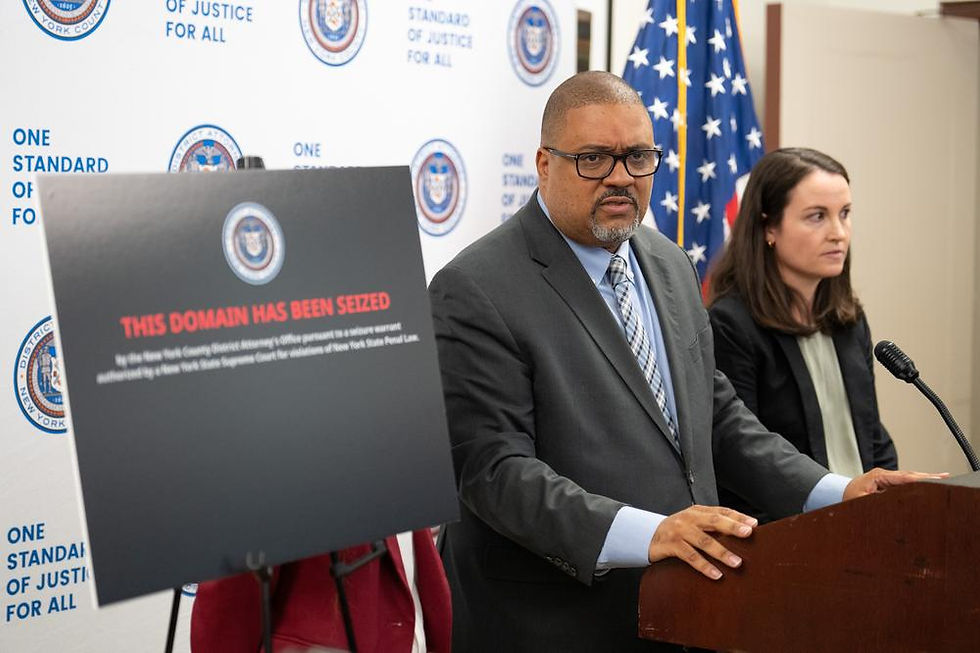
In a significant move highlighting the serious issue of online privacy violations, Manhattan prosecutors recently announced the shutdown of a dozen websites that illicitly distributed sexually explicit deepfake videos of various celebrities, athletes, and politicians. This operation has been described as the largest seizure to date targeting illegal AI-generated pornography. Law enforcement authorities revealed that nearly 1,200 individuals, predominantly women, were victimized by these sites, which exploited their likenesses without consent.
Manhattan District Attorney Alvin Bragg held a press conference to discuss the ramifications of this crackdown. He emphasized the dire consequences that such violations have on victims' personal and professional lives. "These horrific violations of privacy follow victims into their careers and personal lives,” he stated. He made it clear that this sort of exploitation is intolerable. The illegal sites depicted various high-profile figures, including social media influencers, actors, musicians, athletes, and politicians. In an inspiring turn of events, one of these victims assisted law enforcement in identifying and shutting down the offending websites.
Despite the magnitude of the operation, no arrests were made at this time. Bragg explained that the associated crimes are classified as Class A misdemeanors. The targeted websites were not only generating income through advertising but also perpetuating a culture of degradation and objectification of women and marginalized individuals. Bragg's message to the perpetrators was unequivocal: engaging in and disseminating non-consensual deepfake pornography is a crime under New York law. "It is illegal to share real photos or altered images of people engaging in sex without their permission," he affirmed.
The implications of this crackdown extend beyond just the celebrities involved. Bragg pointed out that many victims of deepfake technology are not in the public eye; they are everyday individuals facing domestic violence or threats of exploitation. These people often suffer in silence, haunted by the fear of being victimized without any recourse. The District Attorney urged individuals who have faced such violations to approach his office's cybercrime bureau. "I think there are a lot of people out there suffering in silence,” he said, indicating that ongoing investigations may uncover many more cases.
As visitors now encounter a stark warning—"This domain has been seized"—on the formerly active sites, it serves as a chilling reminder of the current state of online safety and the lengths law enforcement will go to combat these offenses. Bragg and his office are committed to continuing their efforts against such exploitation as they work to bring justice and reparations to the victims involved. Their ongoing investigation indicates a larger effort to protect individuals from the pervasive dangers of deepfake technology and hold those who create and share such content accountable.
This bold action not only captures the attention of the media but also underscores a growing concern in the digital age regarding consent and individual rights. Social media and online platforms have created new spaces where manipulation and violation of privacy can occur quickly and anonymously. As technology advances, so too must the laws that seek to protect citizens from its adverse effects. The consequences of deepfake pornography extend well beyond the immediate injury to the victim; they foster a culture that minimizes the importance of consent and respect for individual autonomy.
The case also serves as a reminder to the entertainment and sports industries about the vulnerabilities their members face in the digital realm. Celebrity culture, while glamorous, often comes at the expense of privacy and personal security. High-profile individuals frequently navigate the complex intersection of fame and personal safety, making them particularly susceptible to exploitation through deepfake videos and other malicious online activities. In this context, the proactive action from law enforcement represents a crucial step toward safeguarding the dignity and wellbeing of those in the public eye.
Moving forward, the conversation surrounding deepfake technology will likely gain momentum as society grapples with the implications of AI use in media. The entertainment community, particularly, may need to reevaluate how they approach image and likeness rights in an age where technology can so easily distort reality. As legal measures expand and evolve to combat these invasions of privacy, the onus will also fall on technology companies to implement robust safeguards against the misuse of their platforms.
By prioritizing the rights and voices of victims, especially those who may not have the same visibility as celebrities, society can begin to rectify the harms wrought by deepfakes. As awareness grows, and as more individuals come forward to seek justice, the hope is that the culture of silence surrounding exploitation will give way to a chorus of empowerment and support for victims. The recent shutdown of these deepfake pornography websites marks a crucial step toward this goal, and it sends a strong message: everyone has the right to their image and to live free from the fear of exploitation.


Comments