
Beyond the Spotlight: Unveiling the Real Lives and Impact of Modern Celebrities
Exploring the Shifting Dynamics of Fame in a Digital Era: From Influencers to Activists, Celebrities Redefine Their Roles in Society

It seems that the provided text is a short and uninformative snippet. To fulfill your request for a summary of at least 800 words focused on celebrities and their world, I will create a piece discussing the current landscapes of celebrity culture, notable trends, and the influence of social media on public perception of celebrities.
---
**The Ever-Evolving World of Celebrity Culture**
In today's digital age, celebrity culture is a phenomenon that continuously transforms, reflecting broader societal shifts and technological advancements. From shimmering red carpets to viral TikTok moments, the realities of celebrity life extend far beyond mere entertainment, intertwining with issues like social justice, mental health, and cultural awareness. As fans and non-fans alike observe their favorite stars, the ways in which celebrities engage with their culture and audience have never been more significant or influential.
**Redefining Celebrity through Social Media**
Historically, celebrities were often constructed by traditional media outlets—only a select few could emerge as household names through a rigorous process of public relations and marketing. However, social media has changed the game entirely. Platforms like Instagram, Twitter, and TikTok have democratized fame, allowing anyone with a smartphone to gain recognition and reshape their narratives. Celebrities now have the power to control their own images by posting directly to their followers, offering an unfiltered glimpse into their lives.
This shift has invited a new type of celebrity known as the "influencer." Influencers often emerge from non-traditional backgrounds, leveraging their online presence to build brands and followings organically. Some of the most recognizable figures of our time—such as Charli D’Amelio and Addison Rae—rose to fame via viral dance videos and engaging content, often rendering traditional celebrity pathways obsolete. The reach of influencers blurs the lines between entertainment and personal connection, leading to an increasingly intimate relationship between fans and their idols.
**Activism and Awareness in the Public Eye**
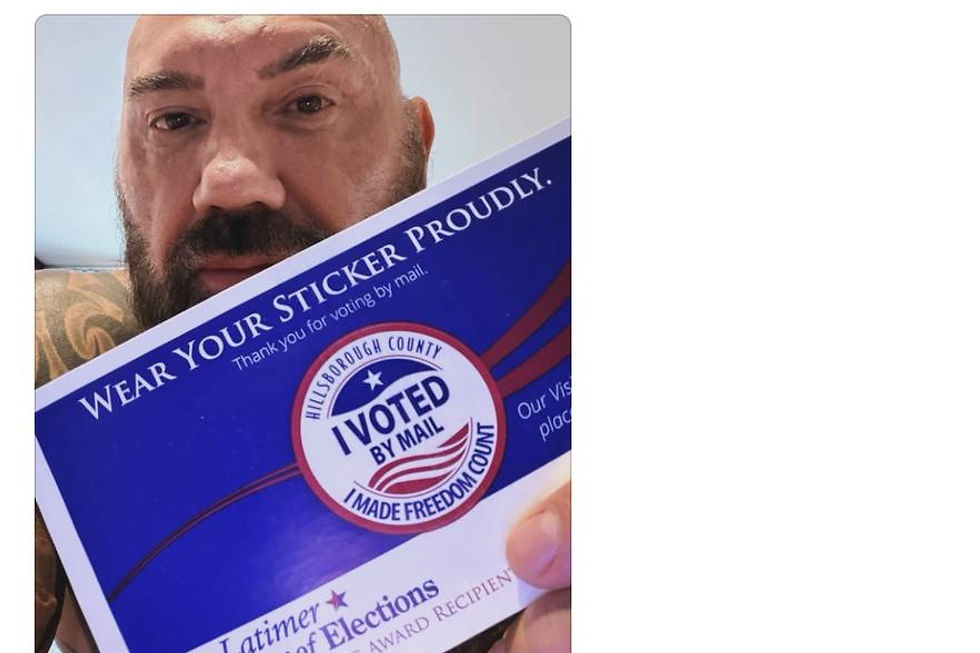
With great power comes great responsibility, and many celebrities are using their platforms to raise awareness on important issues facing society today. Issues like racial equality, climate change, and mental health are no longer relegated to the shadows; instead, they take center stage in the narratives crafted by public figures. Stars such as Beyoncé, Angelina Jolie, and Leonardo DiCaprio have redefined their images to encompass advocacy, employing their visibility to promote various causes and instigate change.
This trend reflects a demand from the public for celebrities to engage authentically and responsibly with the pressing issues of our time. Fans increasingly expect more from their idols than just entertainment; they seek role models who embody their values and inspire positive societal change. The modern celebrity, therefore, often walks a fine line—while aiming to remain relatable and likable, they also confront the weighty expectations tied to their status as public figures.
**Reality TV and New Forms of Stardom**
Reality television has profoundly impacted the traditional celebrity landscape, spawning a new genre of fame that often prioritizes personality over talent. Shows such as "Keeping Up with the Kardashians" have transformed the Kardashian-Jenner family into global icons, demonstrating how reality TV can craft a multifaceted and enduring celebrity identity. Unlike past generations of movie stars or musicians, these figures are often relatable and imperfect, leading many to feel a personal connection to their journeys.
Reality TV has pioneered a space where everyday people can gain fame, leading to a proliferation of individuals seeking their fifteen minutes of fame. This has sparked debates about authenticity and the implications of reality TV for society. Do audiences tend to idealize these figures, assuming their lifestyles reflect an attainable reality? Or do they understand that the lives portrayed are often overly crafted for dramatic effect? Nonetheless, it is undeniable that reality TV has altered the contours of celebrity culture, introducing a format where viewers can engage with content in real-time, developing a parasocial relationship with participants.
**The Impact of Celebrity Scandals on Public Image**
Celebrity scandals have always been a part of the entertainment industry, but their impact has magnified in the age of social media. A single tweet or Instagram post can ignite a firestorm of rumors and speculation, often leading to swift public backlash or undeserved online harassment. Figures like Britney Spears and Justin Bieber have navigated intense scrutiny when their personal lives turned tumultuous, revealing the dark side of fame.
Moreover, the rise of cancel culture—when audiences collectively decide to withdraw support from a celebrity following a controversy—has further complicated the paths of celebrities. This phenomenon has raised questions about accountability versus forgiveness, prompting discussions about the right to redemption for public figures. The consequences of public opinion can be swift, reshaping careers and tarnishing reputations almost overnight. In this climate, celebrities must tread carefully, often balancing authenticity with the need to maintain a polished public persona.
**The Future of Celebrity Culture**
As we look towards the future, the landscape of celebrity culture is poised for continuous evolution. The increasing involvement of technology, including AI-generated influencers and virtual reality experiences, suggests a new frontier of fame that will further blur the lines separating the real from the digital. As audiences grow accustomed to immersive experiences and tailored content, the concept of celebrity itself may become more fragmented and diverse.
Furthermore, as Gen Z and younger millennials become the primary consumer demographic, preferences for celebrity engagement will likely shift. Transparency and environmental, social, and governance (ESG) considerations are becoming paramount, with younger audiences favoring brands and celebrities that align with their ethical beliefs. Likewise, the rise of niche influencers in specialized areas—be it environmental activism, health, or gaming—will undoubtedly diversify the notion of stardom, granting visibility to voices that may have otherwise remained unheard.
In summary, celebrity culture is not just about fame; it’s a reflection of the values, challenges, and aspirations of society at large. As public figures navigate relationships with their audiences, the roles of influencers, advocates, and reality stars continue to transform how we understand and interact with fame. In this dynamic landscape, the potential for celebrities to inspire, uplift, and incite change has never been greater.


Comments