
Beyond the Spotlight: The Realities of Celebrity Motherhood After 40
Unveiling the Glamorous Facade: The Hidden Challenges and Inspiring Journeys of Celebrity Motherhood After 40
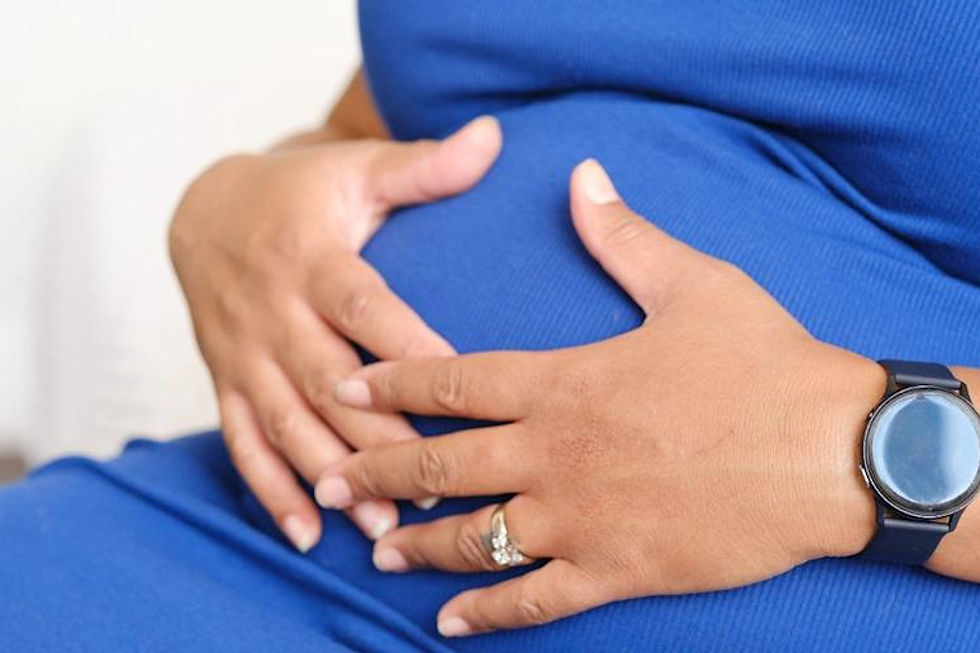
### Celebrity Motherhood: The Trends and Realities of Later-in-Life Pregnancies
In today’s fast-paced celebrity culture, the allure of motherhood often takes center stage, especially with glamorous maternity photos and charming baby announcements gracing our social media feeds. Striking examples abound, as several high-profile women choose to embrace motherhood later in life, demonstrating that having a baby after the age of 40 can appear effortless. However, behind the glitzy exterior lies a more complex narrative. While the spotlight shines brightly on these celebrities, the journey to parenthood for many can be fraught with challenges that often remain hidden from public view.

As observed in recent trends, the average age for first-time mothers in the United States has now surpassed 27, significantly higher than the 21-year average recorded in 1970. This shift reflects broader societal changes, including career aspirations, educational pursuits, and financial stability, which have led many women to postpone childbearing. According to TIME, there's a growing phenomenon of women experiencing what psychologist Aurélie Athan terms a "pregnant pause." They are taking time to carefully weigh the decision of whether and when to begin a family. This trend is not necessarily negative; many older parents bring with them financial stability and life experience that can enhance their parenting capacity.
As glamorous as celebrity pregnancies may seem, they do not represent the average experience. Fertility complications can increase with age, and while some celebrities may have successful pregnancies in their late 30s and early 40s, data from organizations like the National Institutes of Health (NIH) paint a more nuanced picture. Fertility declines notably after the age of 30, with a sharp decrease after 37. Johns Hopkins University notes that pregnancy rates during any given menstrual cycle fall to less than 10% by the time a woman turns 40, contrasting sharply with approximately 25% during the more fertile years of her 20s and early 30s. The realities of declining fertility rates can make later-life pregnancies a gamble, even for those who are healthy and prepared.

In addition to fertility challenges, older mothers may also face increased health risks during pregnancy. Conditions such as gestational diabetes, high blood pressure, and miscarriage become more prevalent as maternal age increases. But it’s essential to highlight that many healthy individuals do successfully navigate pregnancy later in life, with medical experts affirming that age is one of several factors influencing fertility. Other significant variables include overall health, medical history, and individualized circumstances, all of which should be discussed thoroughly with healthcare professionals. Celebrity stories can be inspiring, but potential parents should view them with tempered optimism, recognizing that every journey to parenthood is unique.
The increasing visibility of later-in-life pregnancy stories could inspire a more profound societal conversation about motherhood and age. The glamour of celebrity life can often distort the challenges that many women face when trying to conceive at an older age. For every well-publicized joyful announcement, there are countless stories of heartbreak and struggle that go unmentioned. As women navigate their dreams of motherhood later in life, it becomes crucial to recognize the importance of personalized guidance from medical professionals to ascertain realistic expectations about fertility options and potential risks.

Furthermore, the dialogue surrounding celebrity pregnancies should shine a light on broader health topics impacting women as they approach motherhood. Issues such as mental wellness, nutrition, and physical health play a vital role. Recent studies have highlighted how essential a well-rounded lifestyle is for aging individuals; factors like diet, exercise, and quality sleep are intrinsic to maintaining good health. As the celebrity world continues to showcase moments of beauty around motherhood, shedding light on the comprehensive health needs of women navigating this pathway can create a more holistic conversation.
As we celebrate the journeys of celebrities welcoming children later in life, it is equally vital to acknowledge the complex questions they raise about fertility and motherhood. The glitzy narratives often overshadow the crucial realities that many face in similar situations. For those interested in parenthood after 40, it is always advisable to engage in open conversations with healthcare providers, seek support networks, and make informed decisions based on comprehensive medical guidance rather than solely on the experiences of public figures. After all, while celebrity stories might inspire many, a grounded understanding of health and options is critical in navigating the intricacies of later-in-life pregnancies.

In reflecting on the intersection of celebrity life and motherhood, it becomes clear that while the spotlight may favor narratives of success and glamour, the underlying complexities associated with later-life parenthood deserve greater attention and dialogue. Each pregnancy story is an intricate tapestry woven from unique experiences, aspirations, and challenges that should inspire not only admiration but also authenticity in addressing the realities of fertility and motherhood. Whether through the lens of a celebrity or the journey of an everyday woman, each path deserves to be understood fully, creating space for compassion amidst the glimmering allure of celebrity culture.
Ultimately, the excitement surrounding celebrity motherhood can serve as a conversation starter about broader societal patterns and the realities of parenting later in life. By integrating our fascination with celebrity pregnancies with a deep-seated awareness of the potential challenges involved, we can cultivate a richer understanding of motherhood that respects individual journeys while celebrating the triumphs and trials of bringing new life into the world.



Comments