
Beyond the Kitchen: How Chef Andrew Gruel Champions Change for a New Generation
Chef Andrew Gruel Spices Up the Debate on Affordable Housing and Generation Z's Migration Trends in Southern California
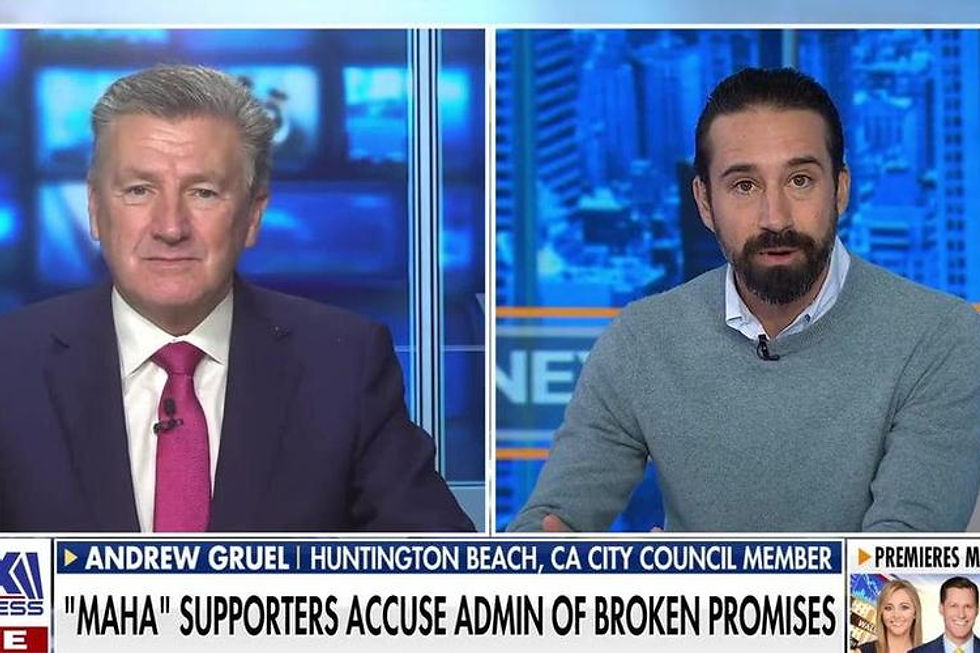
In the dynamic world of celebrity culture and culinary arts, personalities often transcend their professions, becoming key voices in societal discussions. One such figure is Andrew Gruel, a celebrated chef and the owner of several successful restaurants. Recently, Gruel appeared on the Fox News program "Varney & Co." where he expertly navigated the intersection of gastronomy and current socio-political trends. His insights shed light on the broader implications of migration patterns, especially concerning the younger generation in Southern California.
Gruel’s segment on "Varney & Co." came in the wake of mounting criticism directed toward the Movement for Affordable Housing (MAHA). Supporters of MAHA have expressed frustration with the governing administration, accusing it of failing to uphold its promises regarding affordable living conditions. While his culinary credentials may be his primary claim to fame, Gruel’s willingness to engage in crucial societal debates demonstrates how celebrities can utilize their platforms to influence public discourse.
During his appearance, Gruel addressed the pressing issue of why Generation Z is increasingly choosing to leave the sunny shores of Southern California. This migration trend points to a significant demographic shift, as younger individuals seek more affordable living circumstances, job opportunities, and unique lifestyles elsewhere. Gruel, as an established figure in the region, provided keen analysis on these developments, reflecting not only on economic factors but also on the emotional and psychological aspects driving this exodus.
One of the primary reasons for this trend, as noted by Gruel, is the soaring cost of living in Southern California. Prices for housing and everyday necessities have skyrocketed in recent years. For many Gen Z individuals, the dream of living in places like Los Angeles is becoming a harsh reality, with daily expenses that far exceed their income capabilities. This has resulted in a growing sentiment of disenchantment among the youth, who are gravitating toward cities that offer a better balance of lifestyle and affordability.
Moreover, Gruel highlighted the shifting priorities of younger generations. Many in Generation Z prioritize work-life balance and quality of life over merely pursuing traditional career paths. This mindset is leading them to seek out cities and regions that align more closely with their values, whether that's a focus on sustainability, community engagement, or even straightforward affordability. As a result, smaller cities and towns, which may have previously been overlooked, are starting to experience a population influx as these young adults search for environments that resonate with their aspirations.
Additionally, Gruel's engagement in this dialogue underscores the role of celebrities in shaping cultural narratives. Chefs and public figures are increasingly seen as more than entertainers—they are becoming advocates for social change. By stepping into conversations about housing policy and economic inequality, figures like Andrew Gruel break the mold of traditional celebrity fixtures, showcasing that their influence can extend beyond the kitchen or stage. They lend their voices to important discussions, sparking conversations that can lead to greater awareness and action within their communities.
Gruel’s insights also pave the way for broader discussions on how the culinary industry itself can adapt to these shifting demographics. As more young people migrate out of expensive urban centers, chefs and restaurateurs may need to rethink their target markets, exploring new regions or altering their business models to cater to changing consumer expectations. Sustaining a restaurant involves not just culinary creativity but also understanding the socioeconomic landscape in which one operates. Gruel’s strategic involvement in these discussions highlights his adaptability and foresight as a business owner in a rapidly evolving environment.
In conclusion, Andrew Gruel’s commentary on "Varney & Co." presents a fascinating lens through which we can view the intricate relationship between celebrity culture and societal changes. His discussion about the MAHA movement and the migration trends among Generation Z provides valuable insights into the pressing issues affecting today's youth. As celebrities like Gruel continue to engage with such topics, they not only elevate important conversations but also harness their influence to inspire change. As we look to the future, it’s clear that the intersection of celebrity and social responsibility will continue to play a vital role in shaping public perceptions and policies alike, reminding us that stars can shine brightly beyond the confines of entertainment.


Comments