
Beyond Fame: The New Rules of Celebrity Beauty Brands
- May 23
- 4 min read
From TikTok Fame to Lasting Legacy: Navigating the Shifting Landscape of Celebrity Skincare and Beauty Brands
In recent years, the beauty industry has witnessed an explosion of celebrity-endorsed skincare and makeup lines, leading to a competitive landscape that constantly evolves. The trend, popularly referred to as the “celebrity skincare gold rush,” is exemplified by a new wave of stars eager to establish their own brands, with the latest rumors suggesting that 14-year-old Harper Beckham is preparing to launch a skincare line aimed at Generation Alpha, potentially named HIKU by Harper. This announcement comes at a time when established names like Alix Earle and Olivia Jade have also recently unveiled their beauty brands, further intensifying the question: what does it take to succeed in a market already brimming with celebrity products?
The celebrity beauty strategy has shifted dramatically, transitioning from mere product launches to a comprehensive brand experience. As noted by Kelsey Hogan, founder of Claimed & Co., successful brands in the current market need to cultivate a “brand world” where consumers feel personally connected. This is essential as celebrity status alone no longer guarantees success, evidenced by the failures of previously hyped lines such as SKKN by Kim and Kate Moss' Cosmoss, both of which recently faced significant challenges, including liquidation. Industry insiders suggest that successful beauty ventures must do more than just leverage celebrity names; they need to resonate with consumers by fostering a sense of community and belonging.

The landscape mirrors the early 2000s perfume craze, characterized by a slew of launches with only a handful of enduring brands emerging from the fray. Rihanna’s Fenty Beauty has arguably set the benchmark for success in this arena, making waves since its launch in 2017 with an unprecedented 40 foundation shades that prioritized inclusion and diversity. Within just 15 months, Fenty generated over $570 million in revenue and is now valued in the billions, expanding into Fenty Skin and solidifying its position in the beauty market. Other notable success stories include Selena Gomez’s Rare Beauty, which intertwines a mental health mission with its branding, and Hailey Bieber’s Rhode, which became a significant industry player after its acquisition by e.l.f. Beauty for up to $1 billion.
In contrast, brands like Kylie Skin and Item Beauty have struggled to maintain momentum and visibility within an increasingly crowded market. Kylie Skin, launched by Kylie Jenner, failed to replicate the cultural phenomenon of her lip kits, while social media sensation Addison Rae’s Item Beauty was unable to survive beyond its initial buzz, ultimately getting discontinued after its withdrawal from Sephora. Even major influencers like Hyram Yarbro, known for honest skincare reviews, saw his Selfless by Hyram line slip into obscurity soon after its exclusive launch with Sephora.

As Alix Earle and Olivia Jade introduce their new brands, Reale Actives and O.Piccola, respectively, they face the daunting challenge of translating their TikTok fame into lasting brand equity. The experience of their predecessors serves as a cautionary tale, highlighting that the allure of social media isn’t a guaranteed springboard for sustained success. Meanwhile, Harper Beckham’s impending foray into the beauty industry has the potential to either reinvigorate her family’s legacy or serve as another tepid entry into an already filled market, where consumer loyalty to celebrity brands quickly dissipates amidst heightened expectations.
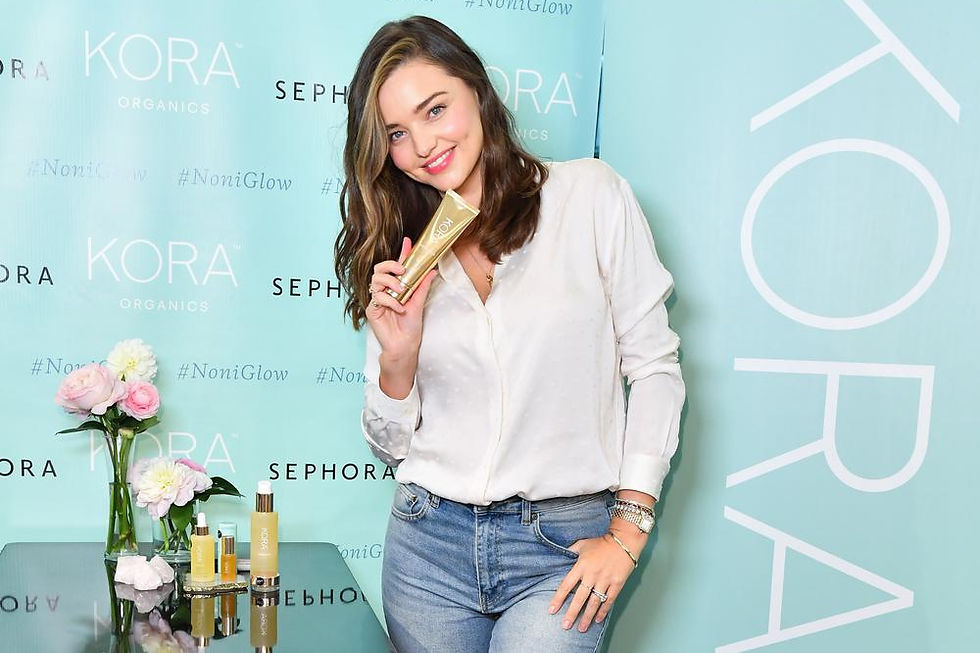
Established names like Miranda Kerr with Kora Organics continue to thrive by building credibility and prioritizing organic product quality over celebrity hype. Kerr's brand has experienced a remarkable growth rate of 400% in revenue between 2017 and 2022, thanks to solid customer reviews and an unwavering commitment to ethical and sustainable beauty. In a similar vein, Millie Bobby Brown’s Florence by Mills effectively taps into the Gen Z aesthetic with clean, accessible formulas that set the brand apart without relying solely on the star’s fame. Still, there are concerns that the youthful visual identity could struggle as the demographic matures.

The mention of Gwyneth Paltrow's Goop tangentially reveals yet another facet of this phenomenon—how some celebrity brands thrive on polarizing views and bold statements. Despite controversy surrounding the efficacy of certain products, Goop has flourished into a beauty and wellness empire valued at over $250 million. This showcases that a strong, opinionated brand can resonate deeply with consumers if it builds an authentic connection, inviting them to join a broader conversation on wellness and lifestyle.
Ultimately, it’s clear that creating a successful beauty brand in today’s landscape requires more than just a famous name. The essence lies in crafting a compelling narrative that engages consumers, fosters community, and consistently delivers quality. In this ever-competitive arena, as more celebrities join the chase for beauty brand dominance, the key players will be those who build not just products but resonant brand experiences. With the industry evolving at a rapid pace, the future will continue to unfold with intriguing dynamics—especially as younger stars like Harper Beckham step into the spotlight, potentially shaping the next chapter of celebrity beauty ventures. As this saga continues, fans and consumers alike will be watching closely to see which brands rise and which fade away.



Comments