
Behind the Spotlight: Unmasking the Dark Side of Fame and Entitlement
- Apr 22
- 4 min read
Behind the Glitter: Unmasking the Dark Side of Fame and the Entitled Behavior of A-List Stars and Politicians

In the glittering world of celebrities and politicians, fame often springs from wealth, talent, family connections, or sheer luck, rather than from kindness or good manners. While many A-listers and public figures do exude grace and charm, a darker reality lurks behind the scenes. Personal assistants and staff often bear the brunt of unreasonable demands, disrespectful behavior, and entitlement from those they serve. From notorious stars like Mariah Carey and Howard Stern to politicians such as Amy Klobuchar and Nancy Mace, reports of mistreatment are all too common. This exploration delves into some of the most shocking behaviors of high-profile individuals, revealing the stark contrast between their public personas and private conduct.
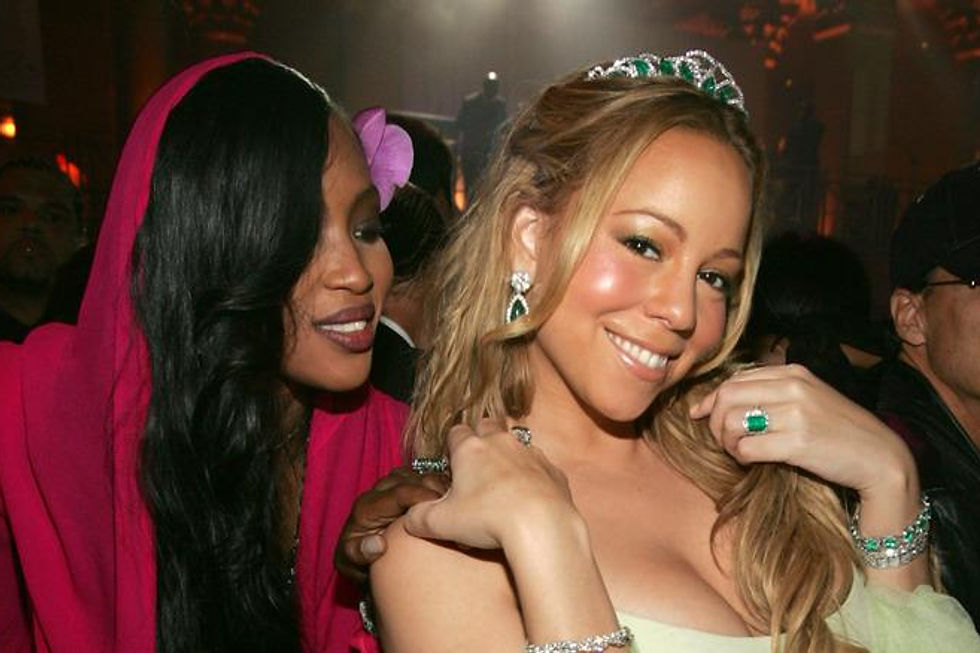
One of the most infamous figures in the entertainment industry, Mariah Carey, is often regarded as a quintessential diva, replete with extravagant demands. She has openly embraced this title, famously claiming to require 20 humidifiers to preserve her vocal prowess. However, Carey's reputation as a diva has come at a high cost to her staff. Former employees have filed multiple lawsuits against her, alleging harassment and wrongful termination. Notably, an ex-assistant, Lianna Shakhnazaryan, accused Carey of physical and emotional abuse, claiming that she lived under constant duress while working for the singer. In a grim pattern, Carey was also implicated in enabling her manager's abusive behavior, leading to further legal issues and accusations of wrongful termination when complaints were raised. Even Carey's former nanny joined the ranks of accusers, alleging severe emotional distress during her employment.
Howard Stern, despite his attempts to rebrand as a more congenial personality via his radio gig and appearances on "America's Got Talent," has not escaped scrutiny. Known for his shock jock persona, Stern’s off-air demeanor has drawn criticism as he continues to belittle his staff. He made headlines for vocally disparaging his producer, Gary Dell'Abate, both publicly and in leaked meetings, where he expressed disdain and insulted the team's professionalism. Stern’s controversial reputation deepened when a lawsuit was filed against him by a former assistant, Leslie Kuhn, who claimed that the work environment was hostile and disorganized. The film behind the curtain of Stern's success reveals a stark shift from his quirky public personality to an often rude, unprofessional demeanor, raising serious concerns about workplace culture.
Politicians are not immune to criticism either. Amy Klobuchar, the Minnesota senator known for her impressive public image, has faced accusations of creating a toxic workplace. Reports from former staffers paint her as having volatile temperamental outbursts, where the smallest mistakes would lead to thrown items, screaming, and chastising emails that left her team feeling demoralized. Although Klobuchar has acknowledged her intensity, she has also expressed a desire to improve her leadership style. Her mixed messages emphasize the fine line public figures walk between their projected and real selves, leaving a trail of disgruntled former employees.

The political sphere also features Nancy Mace, a South Carolina representative whose actions have attracted similar scrutiny. Mace allegedly erupted in anger at TSA employees and later displayed a pattern of abusive behavior toward her own staff. Reports indicate her penchant for demeaning treatment, forcing employees into compromising situations and demanding erratic tasks that often violated ethical boundaries. The culture within her office reportedly inspired fear among staffers, culminating in a remarkably high turnover rate. Mace’s public demeanor contradicts the treatment her employees experienced, showcasing the frequently hidden reality behind political ambition.
Other celebrities, such as Ellen DeGeneres, have also faced backlash over their alleged treatment of staff. What seemed like a wholesome image of kindness rapidly crumbled under revelations from former employees who described a workplace filled with fear and discrimination. From racist comments to the dismissal of employees for taking bereavement leave, DeGeneres' on-set behavior starkly contrasted the friendly persona she cultivated. This shift in perception culminated in her issuing an apology for the work environment, which she claimed did not reflect her intended values. However, the damage was done, and her once-celebrated image suffered irreparable harm.

As we examine the interactions between fame and entitlement, it becomes evident that the glitz and glamour of celebrity culture often masks deeply problematic behavior. Whether it’s Mariah Carey highlighting her diva tendencies, Howard Stern creating a hostile work environment, or politicians like Klobuchar and Mace revealing their authoritative shortcomings through mistreatment of staff, the narrative reflects a troubling trend in our society’s elite. The stories shared expose not just isolated incidents but a pervasive issue of entitlement within the upper echelons of fame. The consequences of their actions are twofold: while they may maintain a polished public image, they risk leaving behind a wake of disillusioned employees who challenge the charm and charisma the stars project through their work.
In the end, it’s a harsh reminder that the world of celebrities and politicians isn’t always as glamorous as it seems. The privilege that comes with wealth and fame often breeds a lack of accountability for behavior that is deemed unacceptable in ordinary circumstances. As we reflect on these revelations, the hope is that greater awareness and accountability will arise, leading to a more ethical treatment of those who support their journeys behind the scenes. In a culture that often venerates celebrity and power, it is crucial to acknowledge the human cost that sometimes accompanies it. Only then can we challenge the status quo and demand a more respectful and compassionate environment for all within the realm of fame.


Comments