
Behind the Spotlight: The True Face of Celebrity Activism
Behind the Glamour: Unpacking the Authenticity of Celebrity Activism in Today’s Political Landscape

In the realm of celebrity culture, the intersection of fame and activism is both a powerful force and a contentious issue. Daisy Holian from Life&Style delves into the complexities of celebrity activism, questioning the authenticity and educative credentials of stars who weigh in on pressing social and political matters. In recent times, the tumultuous political climate has prompted many celebrities to use their platforms for advocacy, but this raises the critical question: does a celebrity’s star power equate to informed opinions? The implications and challenges of celebrity activism warrant a deeper exploration.
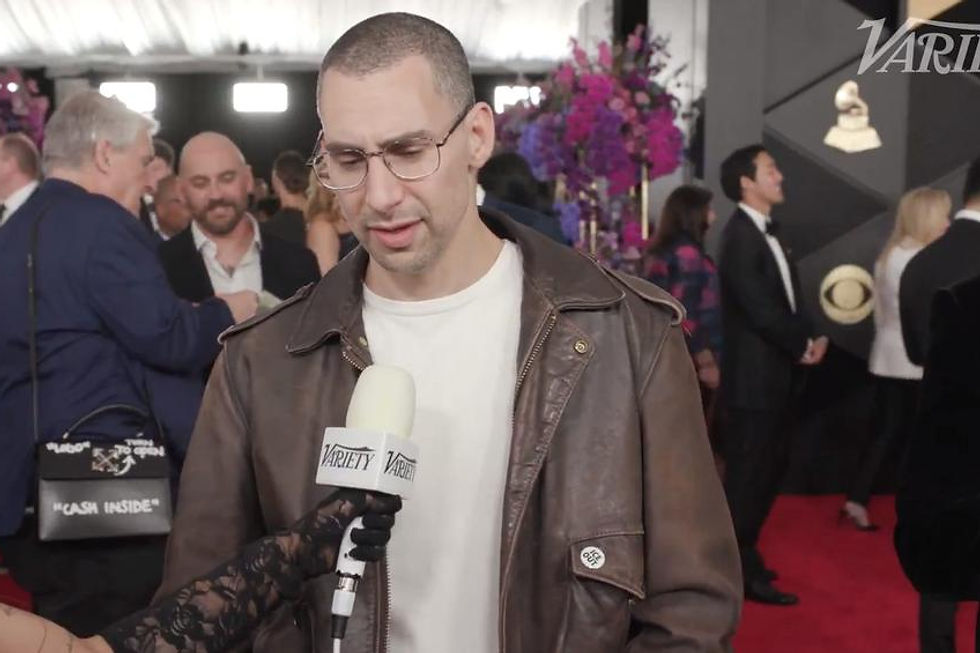
As social media and ever-present cameras thrust celebrities into the limelight of political discussions, there’s an undeniable pressure for them to take a stand on significant issues. Following the protests against police brutality and systemic injustice, many stars felt compelled to make their voices heard, addressing the fears and anxieties felt by citizens. However, this wave of activism often leads to instances of hollow gestures rather than substantial discourse. The case of Jack Antonoff at the 2026 Grammys epitomizes this dynamic. While adorned with an ‘ICE OUT’ badge, Antonoff faltered when pressed for commentary on the very issues he ostensibly supported. His inability to articulate any meaningful thoughts raised crucial concerns about performative activism—where actions seem more focused on public image than genuine understanding or intent.

Yet, it would be unfair to blanket all celebrities with this criticism. There are notable figures who earnestly engage in activism and have demonstrated a genuine commitment to driving social change. Mark Ruffalo is a prominent example. The actor has tirelessly campaigned for various causes, especially in the environmental arena, establishing initiatives such as Water Defense and The Solutions Project. Ruffalo’s candid approach to discussing political and social justice issues showcases an authenticity that resonates with many of his followers. His advocacy, fueled by knowledge and concern, transcends mere celebrity gestures, illustrating that when stars invest themselves fully, they can effectively harness their fame for positive influence.
However, the lure of social media complicates the narrative surrounding celebrity activism. Figures like Taylor Swift have faced intense scrutiny for their political stances—or lack thereof. Swift’s decision to wade into politics during the 2016 election was met with both support and significant backlash, leading to a period of silence on her part. As global issues unfold, celebrities find themselves criticized for not voicing opinions or taking sides, creating a toxic cycle where the fear of public condemnation drives some stars to engage in superficial expressions of activism. In this context, celebrity endorsement becomes an almost transactional relationship with their audience, where perceived apathy can lead to losing relevance or, even worse, facing a backlash in a media landscape that thrives on instant judgment.

The role of celebrity in politics raises another critical consideration: the risk of depoliticization. During the 2024 U.S. elections, both major party candidates sought celebrity endorsements with fervor—turning stars into status-symbols that appeal to voters. This phenomenon raises eyebrows about the authenticity of political support; is it rooted in genuine belief, or is it a means to bolster public image? In a political climate increasingly characterized by superficial engagements, the danger lies in using celebrity status as a substitute for substantive conversations about policy and governance. Instead of voters focusing on crucial issues, they might find themselves more entranced by who showed up at a rally rather than what candidates offer in terms of solutions.
This trend poses a larger question regarding society's attachment to celebrity voices in critical discourse. As voters, are we more intrigued by the glamor of celebrity politics than by the implications of proposed policies? When high-profile figures engage in discussions about pressing issues, they often become the focus, overshadowing the complexities of the topics themselves. The surreal quality of reality TV-like politics leads to a disconnect where entertainment often overshadows meaningful engagement with pressing social concerns. While stars can draw attention to vital issues, this fascination with celebrity-led discussions can drown out the voices of those genuinely knowledgeable on the subjects at hand.
As we navigate an increasingly complicated socio-political landscape, it’s vital to differentiate between performative activism and genuine advocacy. While celebrities can certainly amplify important dialogues, relying solely on their opinions can be problematic. The increasing pressure to engage in socio-political discourse for fear of losing popularity or relevance strips away the authenticity that meaningful activism demands. In light of these challenges, it seems that many celebrities may prioritize maintaining their public image rather than forging genuine connections with the causes they support. Perhaps our cultural reliance on celebrity activism indicates a larger societal trend—a desire for easily digestible narratives crafted by stars rather than deep explorations into the complexities of real-world challenges.
In summary, the world of celebrity activism is a double-edged sword, capable of driving awareness yet fraught with superficiality. While there are undeniable instances of sincere engagement from public figures, the overwhelming pressure to align with socio-political beliefs often leads to associations that are more performative than impactful. As consumers of celebrity culture, it is our responsibility to discern the difference between genuine activism and mere image management. Ultimately, the quest for authentic change should not solely rely on the whims of celebrities; we as a society must engage critically and thoughtfully with the issues that shape our world.


Comments