
Behind the Spotlight: The Dark Tale of *Woman of the Hour*
- 5 days ago
- 3 min read
Navigating Danger: The Chilling Glamor of Love and Deception in *Woman of the Hour*
In the world of cinema, the portrayal of serial killers has often leaned towards familiar tropes found in slasher films and crime dramas. These narratives usually present a predictable structure: a killer whose bloodlust escalates, a victim (often a woman) who either becomes part of a body count or emerges as a lone survivor, and a resolution where good triumphs over evil. While these films can be entertaining, 2023’s *Woman of the Hour* carves out a new niche by deviating from this beaten path, offering audiences a gripping story told through multiple timelines that ultimately converge, creating an experience far richer than standard fare.
At the film’s core lies the real-life story of Rodney Alcala, a serial killer whose crimes span the 1970s, but *Woman of the Hour* employs a unique narrative approach that keeps viewers engaged. Directed with a fresh vision, the film shifts back and forth through time, allowing the audience to piece together the chilling connections before the characters themselves do. This structure lends an omniscient quality to the viewer, generating tension as we witness the characters inch toward the horrifying truths that we already know. This clever storytelling invites a level of anticipation that is often absent in traditional crime dramas.

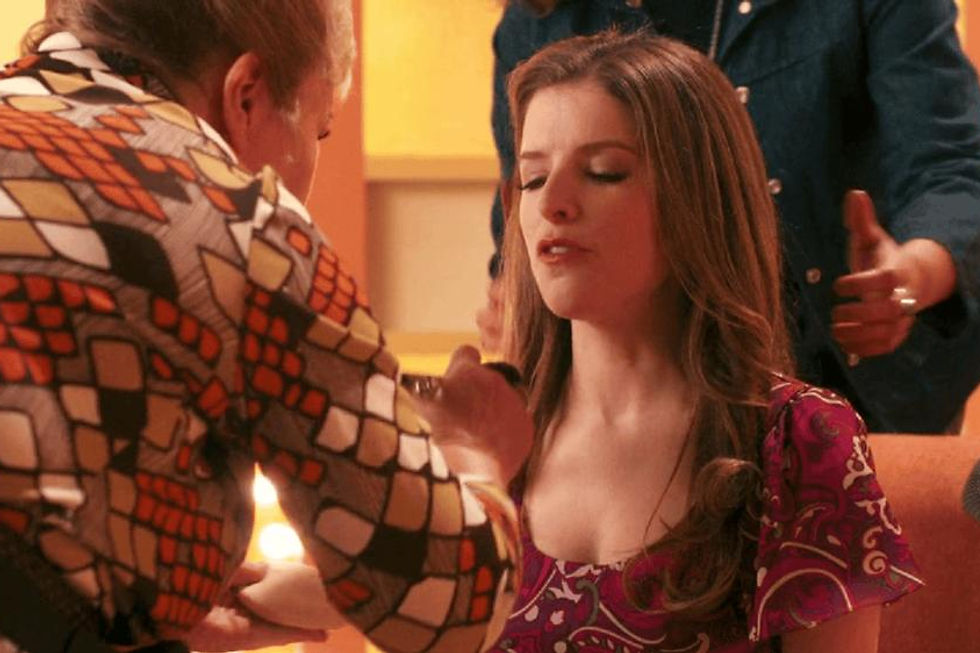
Set against a backdrop of iconic 1970s Americana, the film opens with a harrowing scene of Alcala (portrayed chillingly by Daniel Zovatto) in the act of murder, followed by a journey that takes us into the vibrant yet perilous world of Los Angeles. Here we meet Sheryl Bradshaw, a struggling actress played by Anna Kendrick, who reluctantly auditioned for a spot on the game show *The Dating Game*. Despite her reservations about the show's premise, Sheryl's charm quickly establishes her in the spotlight as she competes for affection with three bachelors, one of whom is the charming yet deadly Alcala.
The film's tension escalates during the game show taping. The audience, along with Sheryl, is drawn into what seems like a lighthearted competition. However, this façade quickly crumbles when Laura, an audience member portrayed by Nicolette Robinson, recognizes Alcala as her friend’s murderer—a chilling moment that adds another layer to the unfolding drama. Her frantic attempts to alert those around her highlight a systemic failure, as her warnings are dismissed. The juxtaposition between Laura’s frantic awareness and Sheryl's obliviousness underscores the film’s suspense, leading us to wonder how long it will take for either character to grasp the true danger at hand.

As the narrative unfolds, viewers are transported between timelines, illustrating Alcala’s manipulative charm and the deadly control he wields over his victims. The film vividly depicts not only his criminal acts but also the psychological distortions he navigates when confronted by law enforcement. This duality enhances the character of Alcala as both an alluring figure and a menacing predator. The relentless tension peaks when Sheryl unknowingly chooses Alcala as her winning bachelor, culminating in a sense of dread that permeates her every interaction.
What makes *Woman of the Hour* particularly compelling is its fearless exploration of dark themes within the context of a seemingly banal entertainment format. The film empowers Sheryl with agency while simultaneously positioning her in peril. Her aspirations for a Hollywood career play out against a sinister backdrop, illustrating how appearances can be deceiving and that danger can lurk beneath the surface of ordinary life. As the plot threads draw closer to the climax, audiences can’t help but feel the impending doom of impending violence, particularly as Sheryl thrives in the game show environment, completely unaware of the monster she has unwittingly engaged with.

In conclusion, *Woman of the Hour* challenges conventional storytelling in the true crime genre, merging the thrill of suspense with an innovative narrative that keeps audiences on the edge of their seats. The film successfully alters the lens through which we view serial killers in media, infusing it with a fresh perspective that captures both the stark reality of their heinous acts and the superficial allure often celebrated by society. By making every character's journey a pivotal part of the story, the film goes beyond mere entertainment; it engages viewers in a psychological dance between knowledge and ignorance, fear and charm. It invites reflection on the darker facets of human nature while ensuring an engaging cinematic experience that lingers long after its credits roll. This isn't just a film about a serial killer; it's a profound commentary on the societal dynamics that can allow such monsters to thrive unnoticed.


Comments