
Behind the Spotlight: Navigating Privacy in the Age of Celebrity Culture
- Dec 2, 2025
- 3 min read
Navigating the Pressure: How Social Media Transforms Celebrity Interactions and Examines Our Expectations

Celebrity culture is a constantly shifting landscape, shaped significantly by the rise of social media and the internet. While gossip and paparazzi have been part of the entertainment industry for ages, their influence has become more pronounced and invasive in our digital age. A recent incident involving pop star Dua Lipa and her fiancé, actor Callum Turner, highlights how quickly public perception can change. A viral tweet by a user lamenting how swiftly Callum and Lipa seemed to lose goodwill among their fans sparked widespread discussion. The tweet was a reaction to a brief video showing the couple leaving a restaurant in Mexico, where they barely interacted with a small group of fans waiting outside. The backlash seemed disproportionate, raising questions about how the scrutiny of celebrities has escalated.
The conversation surrounding the clip reflects the bizarre dynamic of modern celebrity worship. Many Twitter users speculated about Callum's actions, questioning whether he was acting as Lipa’s protector by urging her to move past the fans quickly. This situation raises a broader discussion on the expectations fans impose on celebrities. Today, some fans feel entitled to their idols' time and attention, often reacting harshly when celebrities don’t engage as expected, regardless of the context. While public encounters between celebrities and fans were once seen as casual interactions, they can now resemble confrontational situations, leaving stars in a difficult position.

The “Stars! They’re Just Like Us!” mantra that popularized celebrity culture in the early 2000s seemed to portray an idealistic view, suggesting stars live normal lives like everyone else. Yet, that sentiment has been eroded by the quick and intense scrutiny that social media facilitates. Unlike the past, where celebrities occasionally enjoyed mundane activities without much fuss, today’s stars face a digital audience ready to dissect even the smallest actions. Instead of casual sightings, most public appearances now become spectacles rife with high expectations and chaos, often led by fans eager to document every moment.
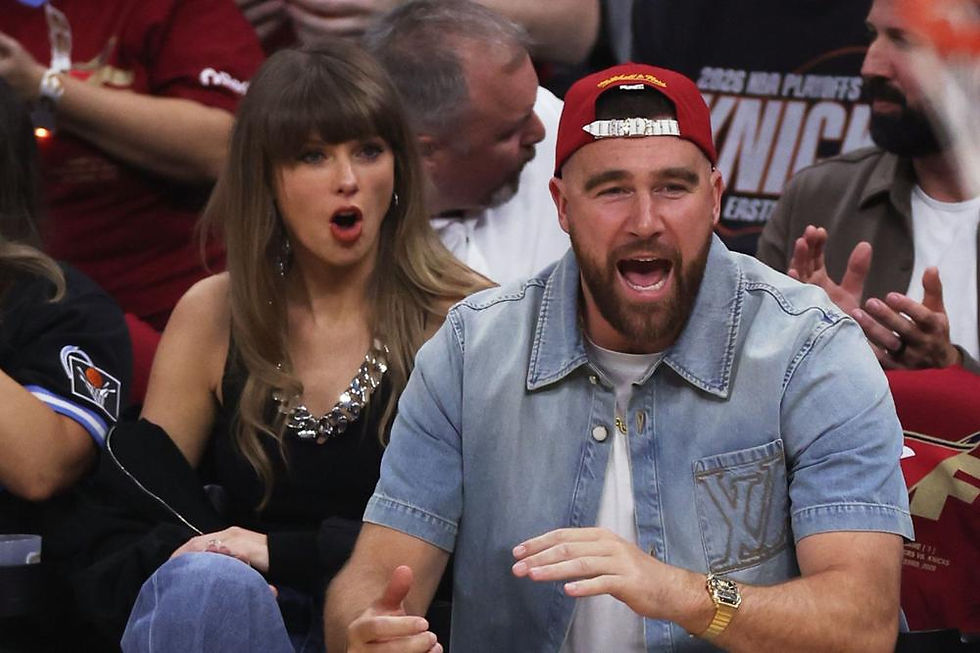
Take Taylor Swift, for example. She has been under the celebrity microscope for years, revealing how the pressure of public scrutiny impacts her mental health. In 2015, she noted her anxiety about being photographed in public, a sentiment echoed in her 2020 documentary "Miss Americana." Swift's experiences escalated dramatically during her 2023 Eras Tour, drawing enormous crowds and fanfare. Every sighting became a headline moment, pushing privacy boundaries and raising safety concerns, as seen in instances where fans aggressively gathered outside recording studios or even crashed a wedding where she appeared. Swift’s situation underscores a trend where the excitement from fans can become overwhelming and even threatening.

Despite the constant attention from fans and media, celebrities are entitled to their privacy. The constant analysis of their public demeanor can lead to unfair judgments about their emotional states. Take, for instance, Swift's creative process during her recent album recording sessions. Onlookers would often scrutinize her outfits, facial expressions, and exit times, unaware of the personal challenges she faced behind the scenes. The disconnect between fans’ perceptions and the celebrities’ actual experiences raises an important point: celebrities are individuals who deserve the right to navigate life, including personal or creative challenges, without the pressure of public evaluation.
As the lines blur further between celebrity and fan interactions, it becomes crucial to recognize that celebrities are human beings with their own lives and issues. They shouldn’t feel obligated to make every casual public appearance into a fan engagement. The ability for celebrities to enjoy simple moments, such as leaving a restaurant or stepping out for errands, should not be tainted by a looming sense of anxiety about how those moments will be perceived online. Each time a celebrity steps outside their front door, they step into a potential storm of speculation and judgment, which is an unreasonable expectation for anyone.

In conclusion, the celebrity landscape has evolved dramatically from the early days of tabloids to the intense scrutiny faced today. Incidents like the one involving Dua Lipa and Callum Turner reveal how rapidly fan opinions can shift based on minimal information. The rise of social media has exacerbated the pressure on celebrities, shaping unrealistic expectations about their interactions with fans. While the excitement of celebrity culture can be engaging, it's essential to remember the humanity behind the fame. As fans, there should be a broader understanding of the privacy and respect that celebrities deserve in their everyday lives, allowing them to coexist alongside their public personas without fear of backlash.


Comments