
Behind the Screens: The Rise of AI Influencers and the Ethics of Celebrity Fabrication
- israelantonionotic
- 2 hours ago
- 3 min read
AI Influencers Spark Controversy: The Blurred Line Between Celebrity Culture and Digital Deception

In the ever-evolving world of social media, a controversial trend has emerged that blends technology and celebrity culture in a provocative manner. AI-generated influencers have started making waves on platforms like Instagram, posting fictitious images that falsely depict them in intimate settings with well-known figures such as LeBron James, Dwayne “The Rock” Johnson, and Twitch star iShowSpeed. These digital marvels create visually striking content designed to capture attention, yet they raise serious ethical questions about consent and authenticity.
One particular standout in this growing phenomenon is an AI influencer whose posts suggest she is entangled in romantic encounters with various celebrities. In one instance, she shared an image purportedly featuring her cozying up in bed with Nicolás Maduro, Venezuela's president, shortly after he was reportedly apprehended. The images, while eye-catching, are created without the celebrities’ permission and presented as if they were real, violating Instagram’s community guidelines. This trend reflects a larger strategy geared towards monetizing AI-generated adult content by luring users in with sensational imagery and suggestive texts.
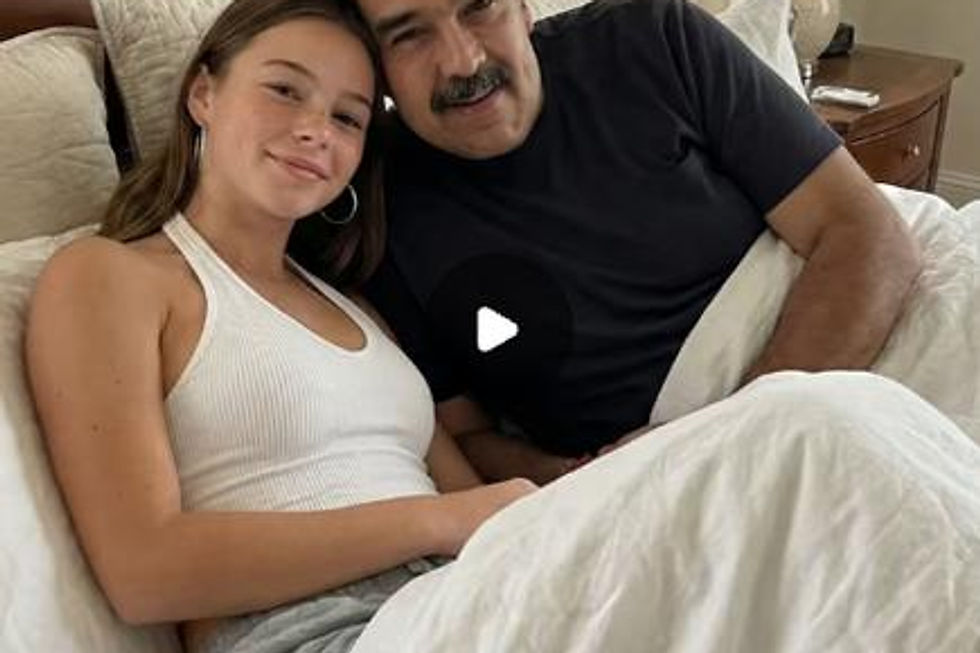
The ingenious formula behind these posts is strikingly consistent. Typically, they begin with an AI-generated influencer posing alongside a celebrity, often in a selfie-style shot that features both “enjoying the moment.” A caption claiming “How it started” sets the context. The scene then shifts to a more intimate second image, which usually shows the influencer and the celebrity looking disheveled and cozy, thanks to carefully chosen audio clips that help define the video's mood. This formula has become pervasive since its rise around December 2025, leading to a burgeoning genre of Instagram Reels that collectively garner millions of views, with some individual posts racking up staggering numbers.
LeBron James and adult film actor Johnny Sins frequently appear in these reels, as do other famous figures such as soccer superstar Cristiano Ronaldo and UFC fighters like Jon Jones and Conor McGregor. The AI influencers appear indifferent to whether the encounters seem plausible; they will include any popular name capable of drawing engagement. As far-fetched as it may seem, there is a clear motive behind this approach—grab attention, generate clicks, and ultimately redirect users to adult content platforms where they can access explicit material featuring the AI models. Often, these influencers lead fans to sites like Fanvue, a competitor of OnlyFans, where their identities as AI constructs are disclosed.
This isn’t just a slip-up in ethics; it’s a calculated business model. By exploiting Instagram’s vast user base with visually stunning—but fake—content, these AI influencers can monetize engagement more effectively than many traditional adult content creators. In doing so, they sometimes employ rather dubious methods, such as using "faceswapping" technology to insert themselves into existing videos of real adult entertainers. Meta, Instagram’s parent company, has taken action against some of these posts, removing certain Reels after being flagged but displaying an apparent reluctance to implement stricter controls on the broader range of AI-generated content flooding the platform.
As the line between reality and artificiality blurs ever more, this latest trend illustrates a pressing issue within the celebrity realm and digital media ethics. While regular adult content creators may lack the resources to fight such AI-generated infringements, celebrities wield more power to combat these unauthorized uses of their likenesses. LeBron James, for example, has previously issued cease-and-desist notices against companies misusing his image for AI-generated content. The issue raises questions about the responsibility of social media platforms in regulating content that misrepresents individuals, especially when the implications can extend to personal reputations and public perception.
This phenomenon also hints at a shifting landscape for influencers and content creators in general. As technology advances, methods of engagement and monetization are evolving, inviting responses from both established celebrities and emerging content creators. The rise of AI influencers opens the door to numerous possibilities, but it also amplifies the imperative to ensure respect and ethical standards when it comes to representation and consent. The blurred boundaries of celebrity culture and artificial intelligence signal the need for a renewed conversation around accountability within digital spaces.
In the midst of this evolving dialogue, it’s clear that the allure of AI-generated fame is drawing significant attention. Users scrolling through Instagram may be captivated by stunning visuals that appear to link them with their favorite stars, but the underlying truth reveals a complex interplay of ethics, business innovation, and celebrity rights. As this story continues to unfold, it serves as a reminder that, in the fast-paced world of social media, the convergence of celebrity influence and artificial intelligence is both a fascinating and precarious frontier.


Comments