
Behind the Screen: Unmasking the AI Revolution in Celebrity Culture
- 14 hours ago
- 4 min read
Navigating the Glamorous yet Perilous Landscape of AI-Enhanced Celebrity Culture: Where Reality Meets Illusion
### The Rise of AI in Celebrity Culture: A Double-Edged Sword
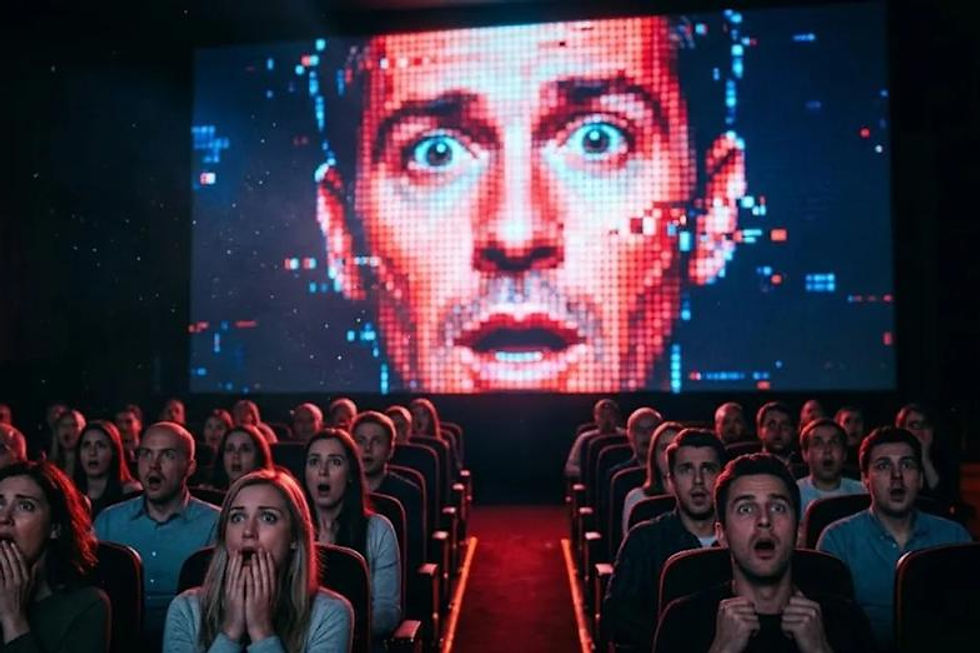
In the ever-evolving world of entertainment, a new phenomenon is shaking the very foundations of celebrity culture: AI-generated videos. What once seemed like amateurish digital tricks have rapidly metamorphosed into polished, hyper-realistic depictions of famous stars, blurring the lines between reality and illusion. The speed at which these videos spread across social media platforms like TikTok, YouTube, Instagram, and Facebook is astonishing. They intrigue millions, prompting viewers to ask an unsettling question: Is this real? As Hollywood grapples with AI's influence, it becomes clear that the stakes are higher than ever for the icons we adore.
Gone are the days when spotting a fake celebrity video was as simple as identifying rubbery faces, strange mouth movements, and robotic voices. Today’s AI technology enables creators to fabricate seemingly authentic clips that can deceive even the most discerning fans. Whether these videos are humorous parodies, elaborate fan fantasies, or persuasive endorsements, their ability to confuse casual viewers creates a tangled web of misinformation. Hollywood has traditionally controlled the narrative surrounding celebrities: studios managed trailers, publicists curated interviews, and brands paid hefty sums for endorsements. However, the advent of AI threatens to dismantle this carefully constructed system, giving rise to a chaotic environment where a star's identity can be easily imitated or manipulated.
The panic surrounding AI-generated content is not merely about isolated videos but also about the broader implications of ownership and authenticity in celebrity culture. If a convincing digital clone of a star can appear to endorse a product or voice a political opinion, then the potential for misuse is endless. Imagine a fabricated Brad Pitt action scene or a fake endorsement by Taylor Swift—each can circulate online, causing confusion that often surpasses any attempts at clarification. The speed at which misinformation spreads can overshadow the subsequent corrections, leaving celebrities scrambling to reclaim their narratives. In a world seamlessly transitioned to the digital realm, where visual content holds a unique authority, AI’s capabilities cast a shadow over the fundamental trust we once placed in video evidence.

Moreover, the nature of social media amplifies these AI creations dramatically. Each viral clip exploits four key elements: familiar faces, shock value, confusion, and the ensuing debates that captivate audiences. The allure of recognizing a beloved celebrity compels users to click, while the surreal nature of these videos keeps them engaged. Quickly, a comment section dedicated to dissecting reality forms, sparking further discussions and arguments. This user-generated interaction feeds into social media algorithms, propelling the video's reach further than many original, verifiable content pieces—a troubling trend that exacerbates confusion. The notion that “If it’s on the internet, it happened” has begun to falter as more viewers express skepticism over the authenticity of even traditional media narratives.
The challenge extends beyond the realm of Hollywood and famous faces. As AI technologies become more accessible, they pose risks to everyday individuals, too. A fake video of a celebrity can grab headlines, while a doctored clip of an ordinary person can lead to devastating consequences, potentially ruining reputations before the truth emerges. This deepfake panic is shifting from mere entertainment buzz to concerns that resonate with the general public. If stars who have the backing of legal teams struggle to combat fabricated content, what hope does the average person have? The escalating unrest surrounding deepfake technology symbolizes a broader societal issue, a reality that many are beginning to fully comprehend.
As the legal landscape attempts to keep pace with the rapid advancements in digital technology, questions about copyright, likeness, and endorsement proliferate. Concerns pertaining to consent, compensation, and control over digital reproductions are becoming crucial aspects of discussions surrounding AI in the entertainment industry. As actors advocate for stronger protections over their identities, content platforms are also scrambling to enhance detection tools and takedown mechanisms. Yet, the fluidity of AI-generated content means that, often, bad actors can easily repost, tweak, or disguise their material to evade detection. This precarious scenario creates a legal gray area, prompting urgent questions about the future of both celebrity culture and individual privacy.
The trajectory we are on hints at a tangled future for Hollywood and its stars. The rising conversation around licensing digital likenesses may pave the way for new contracts and policies that seek to delineate the acceptable use of AI. Still, the distinction between digital replicas created with consent and unauthorized fakes remains critical. As the industry continues to grapple with these technologies, it must also confront the messy reality of a new digital age where identities can be reconstructed, reinterpreted, and even exploited. Moving forward, Hollywood will need to redefine boundaries, crafting new strategies to protect both its stars and the audience navigating this unpredictable ecosystem.
In conclusion, the rise of AI in the realm of celebrity culture is not merely a trend but a wake-up call for both industries and audiences. As we engage more deeply with these striking videos, there lies an imperative for caution and discernment. While AI may become an integral part of Hollywood's future, the pressing question of control and ethical usage needs urgent addressing. In a space where images can deceive and manipulate, each viewer must take the responsibility to question origins and intentions. The era we are entering is filled with profound uncertainty; thus, the mantra should be to pause before we dive into the sensational. The most dangerous video isn’t always the one that looks fake; sometimes, it’s the one that appears all too real.


Comments