
Behind the Lens: Navigating Celebrity in the Age of Deepfakes
Navigating the Glitzy Mirage: The Battle for Authenticity in an Age of Deepfakes and Digital Disguises
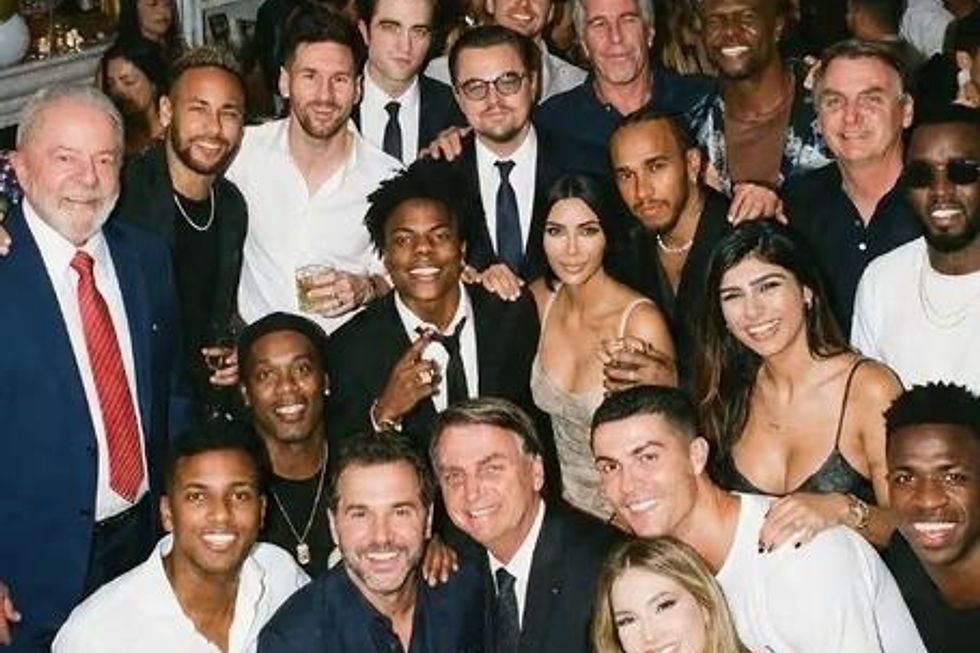
In today's fast-paced celebrity culture, the advancements in technology have taken the concept of visual media to unprecedented levels. One such technological marvel is artificial intelligence, particularly in the form of deepfake technology. This innovation has made headlines, especially when it comes to popular figures in entertainment, politics, and sports. Celebrities like Robert Pattinson, Kim Kardashian, and Cristiano Ronaldo find themselves navigating a landscape where their likeness can be manipulated and used in various contexts. This ease of image alteration raises questions regarding authenticity and the potential impact on their personal and professional lives.
Imagine a vibrant party scene filled with about twenty well-known faces, including icons like Neymar, Jair Bolsonaro, and Leonardo DiCaprio. The flashy decorations, including a glitzy disco ball and balloons, create an atmosphere of celebration. Amidst the crowd, individuals sporting both formal and casual outfits mingle, drinks in hand, capturing the essence of a gala gathering where the elite come together. It’s a vivid representation of the interconnected worlds of celebrities, where casual socializing meets the spotlight. Yet, lurking in the background is the unsettling presence of AI–an innovation that can easily fabricate such scenarios, raising moral concerns about the integrity of shared images and videos.
Prominent figures like Kim Kardashian and Terry Crews have openly discussed their experiences with the changing dynamics of fame in the age of deepfakes. These manipulated images and videos, while often harmlessly amusing, can lead to significant reputational damage. For instance, a poorly crafted deepfake could tarnish a celebrity's image, putting strain on their relationships, endorsements, and public perception. This has prompted a heightened awareness among celebrities about the potential for misuse of their likenesses and the importance of maintaining image authenticity. Moreover, it highlights the necessity of protective measures in a digital age where anyone with access to technology can create convincing forgeries.
The phenomenon extends beyond entertainment celebrities to political figures as well. Leaders such as Luiz Inácio 'Lula' da Silva and Jair Bolsonaro have found themselves entangled in deepfake controversies, demonstrating that the stakes are equally high in the political arena. Misinformation spread through manipulated media can sway public opinion or create chaotic situations, underscoring the need for vigilance against image and content distortion. As politicians grapple with this challenge, the implications for democracy and public trust are profound. The fight to authenticate images becomes crucial in ensuring that citizens receive accurate portrayals of their leaders and the issues shaping their lives.
AI technology is not just about creating entertaining snippets; it's a double-edged sword that can be beneficial or harmful, depending on how it's employed. Figures like Sean Combs and Lewis Hamilton often use their platforms to express creative and positive messages, yet they also face the dilemma of image manipulation. As celebrities continuously navigate their careers, they must also fend off potential pitfalls presented by AI. There is an increasing need for AI detection tools that can help assess the authenticity of videos, images, and other media forms. These tools are invaluable for celebrities who wish to protect their brand and ensure they retain control over their image in an age where deepfake technology is becoming progressively sophisticated.
In navigating the celebrity landscape, individuals like Robert Pattinson and Neymar are left to wonder about the long-term implications of AI's influence. As social media continues to play a pivotal role in shaping public perceptions, the responsibility of celebrities in managing their images becomes clearer. With platforms enabling quick sharing and viral trends emerging overnight, the ability to discern real from fake media is vital. Celebrities must engage with their audiences, educate them about the risks associated with deepfakes, and promote a culture of critical media consumption. In a world so captivated by imagery and appearances, ensuring the integrity of what we see becomes a shared responsibility among public figures and their fans alike.
The entertainment, sports, and political worlds are at a crossroads, grappling not only with the advances of AI and deepfake technology but also with the ethical considerations that accompany them. By emphasizing the importance of image authenticity, celebrities and political leaders alike can take an active role in shaping a responsible digital landscape. Encouraging transparency and utilizing detection tools can help mitigate the risks associated with misinformation and image manipulation. In doing so, they uphold their integrity while fostering trust in their relationships with fans, followers, and constituents. In a celebrity culture increasingly defined by technology, the quest for genuine representation becomes not just a personal struggle, but a collective call to action for everyone involved.


Comments