
Behind the Laughter: Celebrities Confronting Their *South Park* Parodies
- Oct 26, 2025
- 4 min read
Fame Meets Satire: Navigating the Hilarious and Hurtful Parodies of *South Park*

**The Controversial World of Celebrity Parody on South Park**
Since its inception in 1997, *South Park* has been a cultural juggernaut, known for its irreverent and often scathing humor targeting various celebrities and public figures. The animated series has not only stood the test of time but has also become synonymous with controversy. While many famous personalities revel in the honor of being parodied, others have openly expressed their disdain for the manner in which they were depicted. This dynamic interplay between celebrity and satire creates a fascinating landscape where fame meets criticism. Below, we explore some notable examples of celebrities who have reacted to their portrayals on this iconic show.
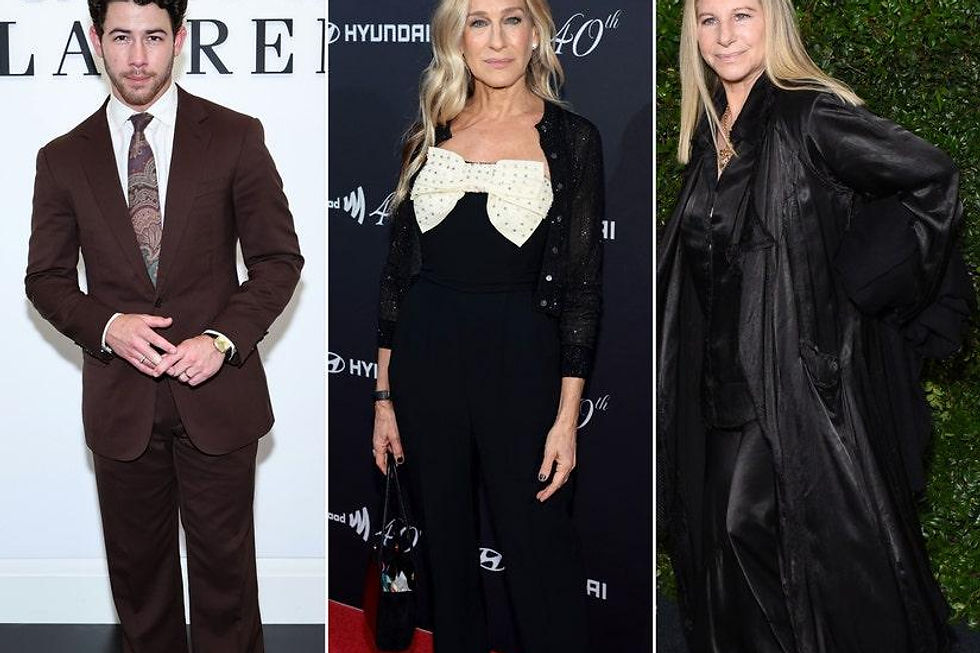
One of the more light-hearted reactions comes from Nick Jonas, who, along with his brothers, was featured in the episode “The Ring.” The storyline humorously critiqued the purity rings that the Jonas Brothers were famously associated with at the time. Joe Jonas admitted he appreciated the parody, but Nick’s initial reaction was quite different. He candidly shared during a Reddit AMA that he didn’t find it amusing back then, as he was grappling with the pressures and the realities of their lifestyle. "When it first came out, I didn’t think it was funny… But years later, once those rings were gone, it became funny to me," he admitted. Over time, he has come to see the humor in it, demonstrating how perspectives can evolve alongside personal experiences.
In stark contrast, Sarah Jessica Parker had a far more critical take on her portrayal in *South Park.* In a Season 14 episode, she was depicted as a caricatured version of herself that was labeled a “transvestite donkey witch.” Parker found this representation to be "distasteful," articulating her discomfort with personal criticism in comedy. "We think it's funny to be mean… it's so uncivilized and vulgar," she remarked in an interview. Her thoughts underscore a poignant observation about the nature of comedic critique, especially concerning the treatment of women in the entertainment industry.

Barbra Streisand’s longstanding tension with *South Park* further highlights the divisive nature of celebrity parodies. After being featured in a negative light during the show's first season, she publicly condemned the series, suggesting that it contributed to a broader culture of cynicism. Streisand’s comments reflect concerns about the impact of such portrayals on public perception, especially among younger audiences. “These youngsters are formulating their attitudes, and that would be very unfortunate, especially for young girls,” she expressed in a 1998 interview, emphasizing the broader implications of satire and parody in shaping societal values.
Kanye West’s interactions with *South Park* are another intriguing example of mixed feelings about celebrity parody. After the show aired an episode that parodied his persona, including his inflated ego, West took to his blog and humorously acknowledged the pain of being "murdered" by the show. “It hurts my feelings, but what can you expect from South Park!” he wrote, showcasing his willingness to engage with the satire while also reflecting on his own self-image. His response highlights a unique blend of humor and vulnerability, demonstrating that even the most confident celebrities can be affected by the portrayal of their public personas.

On the other hand, Tom Cruise’s reaction to *South Park* is perhaps one of the most notorious. Following the airing of “Trapped in the Closet,” which suggested both his sexual orientation and mocked his affiliation with Scientology, there were rumors that Cruise had pressured the network to pull the episode from rebroadcast. While he was reticent to engage with the controversy, stating he was too occupied with his career to care about such matters, the situation became a talking point for years. His stance presents a complex interaction between celebrity image management and the boundaries of comedic expression.
Jennifer Lopez has been similarly criticized, albeit indirectly, by her portrayal in *South Park*. During a 2003 episode, her character dealt with being replaced by a puppet that stole her then-boyfriend Ben Affleck. While she never spoke out directly about her depiction, series co-creator Trey Parker revealed that whispers of her anger towards the episode circulated on the set of her film. The infamous "Taco-Flavored Kisses" song seemed to have struck a nerve, illustrating how parody can have personal ramifications for celebrities. Parker’s accounts reveal the ripple effect that *South Park*’s humor can have on its subjects.

The impact of humor on a personal level is vividly illustrated through the reaction of Terri Irwin following her late husband Steve Irwin’s portrayal shortly after his death. In the 2006 episode that featured a mockery of Steve in a hellish scenario, Terri expressed devastation at the timing and nature of the portrayal. Her sentiments were echoed by family friends who feared for the emotional wellbeing of her children. This incident shines a light on the delicate line that *South Park* often walks between humor and sensitivity, calling into question the timing and appropriateness of comedy in light of real-life tragedies.
Even reality television figures have found themselves in the crosshairs of *South Park*. Mama June Shannon became a target in a 2006 episode where her daughter faced a bizarre health crisis, a portrayal that she deemed “kind of trashy.” Mama June remarked that while she wasn’t offended, it wasn't a type of humor she would choose to engage with. Her position demonstrates a fascinating aspect of reality TV celebrities grappling with satire, highlighting how their public personas are often ripe for parody.

In the world of celebrity, *South Park* serves as both a platform for humor and a battleground for public perceptions. Those who embrace their parodies often showcase a sense of humor and resilience, while others grapple with the harsh realities of public criticism. Ultimately, these reactions enrich the ongoing conversation about the role of satire and comedy in the entertainment landscape, as every episode leaves an indelible mark on those who are brave (or unfortunate) enough to face the show's creators.


Comments