
Behind the Kitchen Doors: Celebrity Chefs Weigh in on 'The Bear' and Its Culinary Realism
- 3 hours ago
- 4 min read
Celebrity Chefs Weigh in on 'The Bear': Reality, Drama, and the High-Stakes Kitchen Life Behind the Scenes
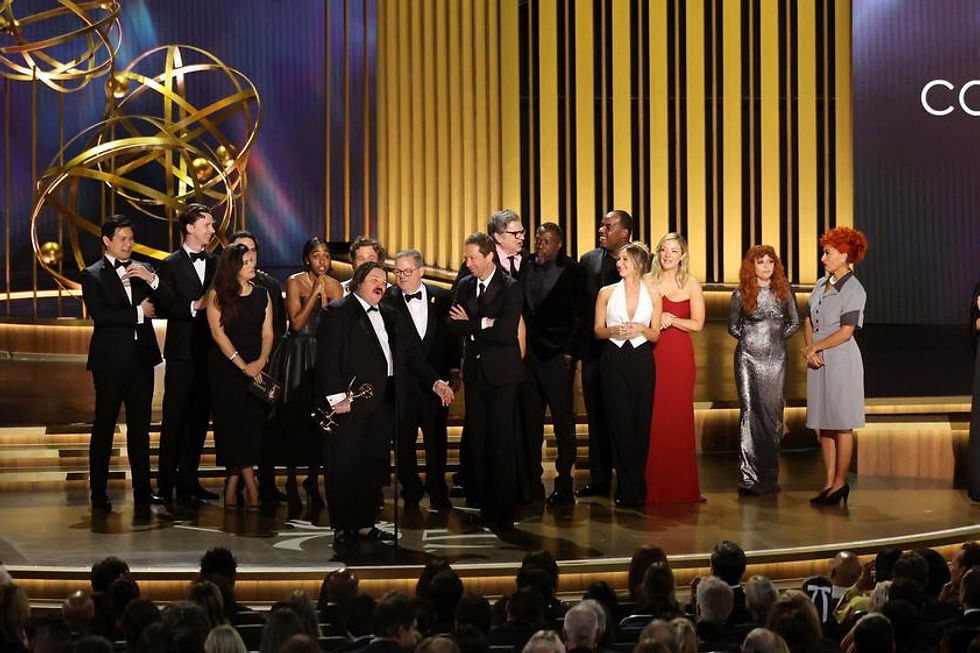
"The Bear," an FX series that wrapped up its final season in June, has been lauded as perhaps the finest culinary-themed drama ever crafted for television. Although the conclusion left some fans with mixed feelings regarding the arcs of their favorite characters, the show's impact cannot be denied. Right from its explosive premiere, "The Bear" captivated audiences with stunning visuals and masterful editing that made viewers feel as if they were right in the thick of the kitchen chaos alongside the characters like Carmy, Richie, and Sydney. This authenticity, matched with a high-energy pace, gave the show an atmosphere that felt all too real—a perception backed by professional chefs who confirmed that the world depicted in "The Bear" mirrors actual restaurant life.
Indeed, several high-profile culinary figures have weighed in on the series, offering insights shaped by their experiences in the restaurant industry. Jamie Oliver, renowned for his approachable demeanor and absence of the "angry chef" persona, surprised fans during an appearance on "The Graham Norton Show." He admitted to discontinuing his viewing of "The Bear" because he couldn’t overlook the technical inaccuracies. Oliver highlighted the mishaps of background actors, criticizing their unrealistic portrayals as busy chefs. This raises the question of whether he would have offered a different perspective had he known that lead actors Jeremy Allen White and Ayo Edebiri underwent intense culinary training for their roles, honing their skills under the guidance of Michelin-starred chef Dave Beran. Their preparation showcased the show's dedication to realism, making Oliver's critique seem somewhat misplaced.
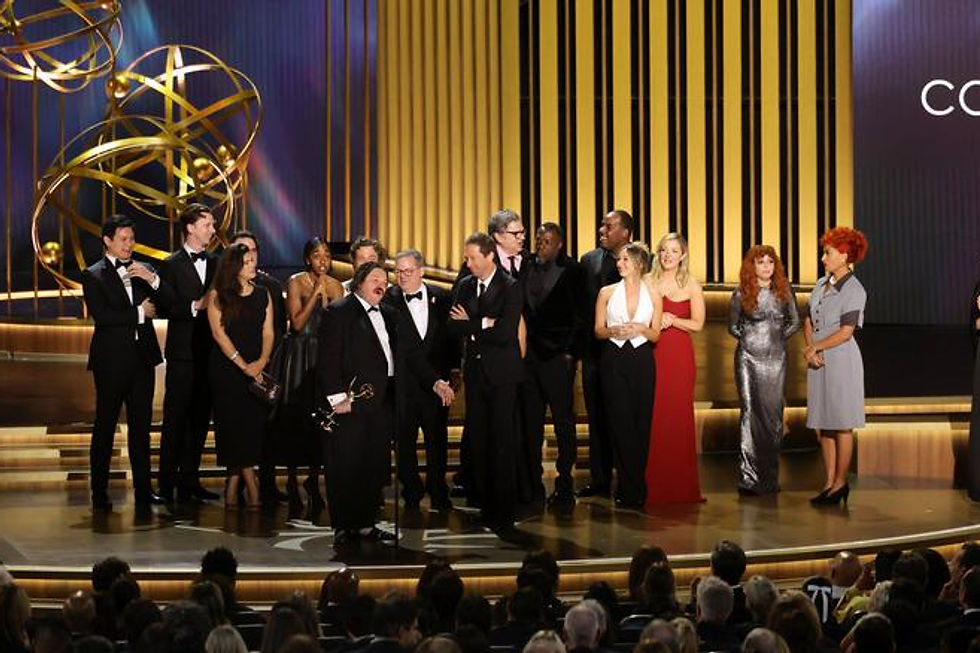
Gordon Ramsay, perhaps television's toughest kitchen critic, shares a markedly different view. Known for his fiery temper on shows like "Hell’s Kitchen," Ramsay surprisingly praised "The Bear." He remarked in an interview with The New York Times that the series offers significant insight into the daily realities of restaurant life, contrasting with the often-polished portrayals viewers might expect. Ramsay appreciated the emotional depth and authenticity depicted in the characters' experiences, making it clear that the show effectively captures the pressures chefs face within the high-stakes culinary environment. He emphasized the importance of illustrating the emotional journey of cooking, a sentiment echoed by many chefs who appreciate the nuanced storytelling present in the series.
While celebrity chefs like Oliver expressed reservations, others, such as Bobby Flay, commended the show's realistic depiction of kitchen life. Flay specifically noted how well White embodied the character of Carmy, recognizing the inherent challenge actors face in authentically portraying the art of cooking without prior experience. He found it commendable that the show balances the harshness of kitchen life with inspirational moments. This duality allows audiences to connect with the narrative on a deeper level. When asked if Carmy could outdo him on "Beat Bobby Flay," Flay delivered a tongue-in-cheek remark, asserting that Carmy’s tendency to overthink would lead him to falter under pressure—a humorous nod to the show's core tension.

The intense atmosphere depicted in "The Bear" has not gone unnoticed by aspiring chefs. Many have expressed apprehension about entering a kitchen environment reminiscent of the show’s portrayal, which emphasizes anxiety and stress during peak hours. José Andrés, a chef and entrepreneur, underscores this reality during interviews, explaining that anyone keen on entering the culinary field should be prepared for the inherent pressures that come with the territory. He eloquently broke down scenarios that escalate tension, such as a kitchen inundated with simultaneous orders. Yet, Andrés also pointed out that while these extreme moments are condensed into a few episodes for dramatic effect, they do capture the essence of daily restaurant life—alluding to a truth that chef-life is not meant for everyone.
Wolfgang Puck, a staple in the culinary community, echoed Ramsay's sentiments, asserting that "The Bear" portrays the passion and emotional investment chefs have for their work. In a recent segment, Puck reflected on the evolving media portrayal of chefs, acknowledging that chefs have become cultural icons in recent years—an incredible shift from fifty years ago when they operated in relative obscurity. He commended productions like "The Bear" for their ability to raise the profile of chefs and contemporary culinary artistry. Additionally, his perspective on public receptivity to innovative cuisine showcases a growing appetite for adventurous dining experiences, further validating the series' cultural relevance.

Tom Colicchio, known for both his culinary prowess and TV presence, praised "The Bear" for its authenticity, particularly its depiction of back-of-house tension. He recognized the accurate portrayal of kitchen dynamics but did raise eyebrows at certain narrative choices, such as the unconventional decision of a sous chef writing the menu, suggesting that while creative license is acceptable, some deviations could detract from realism.
Chef David Chang added a critical lens to the conversation. As someone well-versed in the culinary world, he candidly described the failings of the characters in "The Bear," claiming that in a real restaurant setting, many would be dismissed for their apparent incompetence. Yet, Chang also highlighted the brilliance of the pilot episode, acknowledging its pacing and dramatic tension, which he believed would resonate with culinary icons like Anthony Bourdain.

In summary, the reflections from these celebrity chefs provide a rich tapestry of perspectives that illustrate the authenticity, dramatic storytelling, and emotional depth present in "The Bear." The mixture of praise and critique from culinary personalities, each with their unique background and experience, serves to reinforce the show's impact in popular culture. It stands as a significant work that not only entertains but also challenges perceptions of what it means to work in a high-pressure culinary environment, shaping the ongoing dialogue about chefs and their roles in society.


Comments