
Behind the Glitz: The Real Stories Behind Celebrity Documentaries
- Feb 10
- 3 min read
Behind the Glamour: Unveiling the Curated Narratives of Modern Celebrity Documentaries

The world of celebrity continues to evolve in captivating ways, and documentary filmmaking has become a key medium through which fans engage with the lives of their favorite stars. Recent releases like "Victoria Beckham," "Being Gordon Ramsay," and upcoming films featuring icons such as Pamela Anderson and the band Take That exemplify a trend toward personal narrative documentaries. As viewers, we are drawn into intimate glimpses of these celebrities' lives, often following their journeys of growth and success. However, beneath the surface of these curated stories, there lies a complex interplay of branding, narrative manipulation, and the quest for commercial success, prompting us to question how well we actually know these public figures.
One striking feature of contemporary celebrity documentaries is their transformation of personal narratives into polished promotional vehicles. Take the example of "Victoria Beckham." With its artful combination of archival footage and candid moments, the documentary invites audiences to believe they are getting a behind-the-scenes look at the life of the fashion icon. It showcases preparations for her most significant fashion show to date, as well as insights into her family's dynamics and career challenges. However, beneath the cinematic gloss, there’s an underlying motive: the promotion of Beckham's fashion brand. Viewers may find themselves drawn to her latest designs, their desire to consume seamlessly redirected by the show’s influence. This blend of storytelling and marketing raises an essential question: Are we truly getting to know these stars, or are we merely being sold a narrative that serves their business interests?
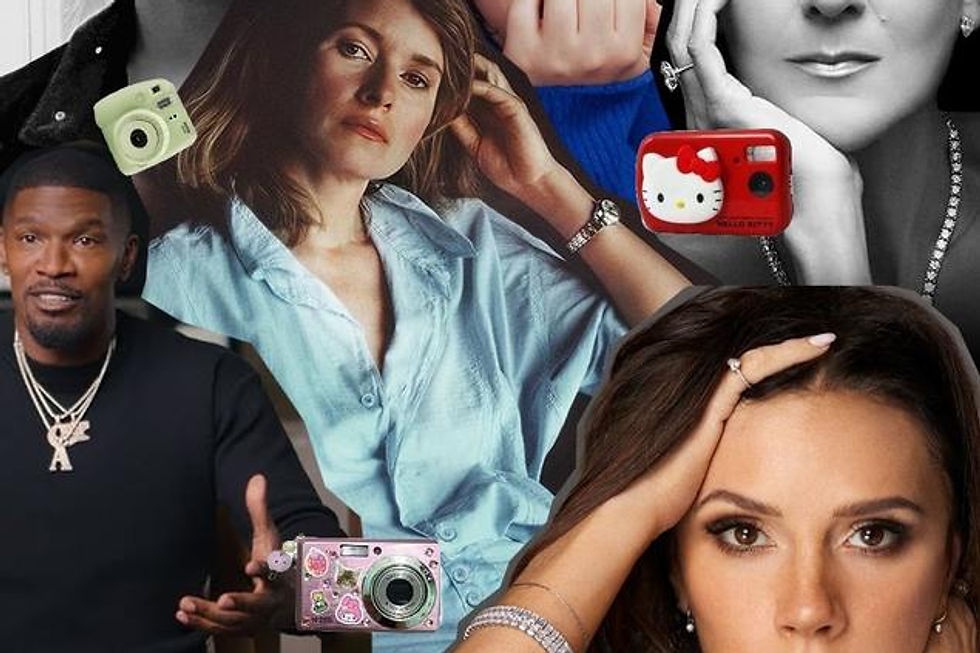
Celebrity documentaries today often start from a familiar premise: “People think they know Gordon.” This sets the stage for a narrative twist; we quickly learn that our perceptions are clouded by media portrayals, and the real stories are far more complex. The documentaries promise an authentic relationship with the celebrities, offering glimpses into their private lives that blur the lines between public persona and personal truth. Yet, despite attempts to foster a deeper connection with viewers, the result often feels manufactured and overly curated. We may see them preparing coffee or engaging with their staff, but the constructed nature of these scenes raises doubts about the authenticity of what we are witnessing.
Moreover, the technological advancements of documentary filmmaking allow cameras to invade the previously private spaces of fame and luxury, bringing audiences closer than ever before. This access, while thrilling, poses risks: the narrative is meticulously crafted, often omitting inconvenient truths or portraying subjects in a light that aligns with their desired image. The reality presented becomes a hybrid of truth and fiction, leaving audiences questioning what is real and what is performed. As Michael Cannan articulates, the camera has crossed boundaries that separated intimate moments from public consumption, but this intrusion can dilute the essence of lived experience.

This effect resonates profoundly with those who study cultural critique, as seen in Mark Fisher's exploration of "capitalist realism." Fisher argues that contemporary representations of reality often feel artificial, losing connection to genuine human experiences and emotions. In the realm of celebrity documentaries, this sentiment rings true as narratives become sanitized and hyper-commercialized. While the allure of fame is compelling, the incessant push for marketability renders these individuals less accessible and more like products than people.
As Netflix and other platforms continue to produce these sensationalized narratives, it becomes evident that their overarching strategy aligns more with creating content that captures viewer attention than fostering honest depictions of celebrity lives. In one poignant moment from Victoria Beckham’s documentary, she asserts, “I’m not stopping yet,” echoing the relentless pace and ambition of the streaming giant. If this is the ethos guiding these productions, it signals a tiresome cycle of marketing commodification disguised as storytelling. The challenge for audiences lies in navigating these expressions of fame, discerning the underlying motives, and acknowledging the blurred lines between reception and recognition of genuine emotional complexity.
In conclusion, while the fascination with celebrity culture remains strong, the documentary lens through which we view these iconic figures significantly shapes our understanding of them. These films often promise insight but frequently deliver polished narratives that serve their subjects' interests. As viewers, we grapple with the complexities of para-social relationships and the inherent distances that remain between us and the celebrities we admire. At the heart of these documentaries lies an intricate dance of truth, performance, and commercialism, reminding us that in the pursuit of understanding, we must remain critical of how stories are crafted and consumed in the ever-expanding universe of celebrity.



Comments