
Behind the Glamour: The Complex Dance of Celebrity Philanthropy at the Met Gala
- May 5
- 3 min read
Taraji P. Henson Sparks a Stir: Navigating the Complexities of Celebrity Philanthropy Amid Corporate Influence at the Met Gala

The world of celebrity culture is ever-evolving, often stirring intense debates about morality, corporate affiliations, and the responsibilities of public figures. Recently, actress Taraji P. Henson ignited a conversation with her comments regarding the upcoming 2026 Met Gala, which is set to unfold under the theme "Fashion is Art." Henson's reactions highlight the clash between high-profile charity events and their corporate influences, pointing to ongoing discussions about ethics in celebrity philanthropy.
The controversy kicked off on May 1, with social media commentator Meredith Lynch voicing concerns over billionaire Jeff Bezos' role as an honorary co-chair for the Met Gala. Along with his partner, Lauren Sánchez Bezos, Bezos’ presence at such a prestigious event led Lynch to urge celebrities to be more mindful about their attendance. While the Met Gala traditionally raises substantial funds for the Metropolitan Museum of Art, Lynch questioned whether the involvement of a corporate titan like Bezos taints its philanthropic intentions. As these sentiments began circulating online, the backlash towards Bezos and his involvement took shape, setting the stage for a renewed examination of the gala’s motivations.
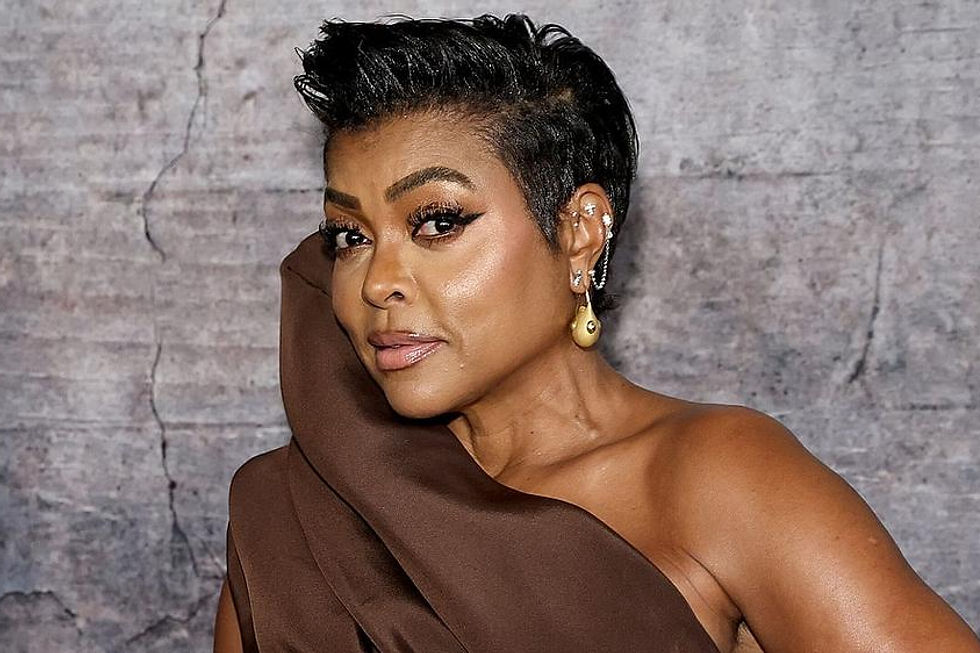
Henson entered the fray the very next day, expressing her bewilderment in a comment on Lynch’s video. Her candid reaction, articulated with frustration, struck a chord with many who feel similarly confused about the juxtaposition of entertainment and corporate sponsorship at such a critical fundraising event. Henson stated, “I am so confused by some ppl that are going. I am just like WTF ARE WE DOING!?!?!?,” capturing a sentiment that resonates deeply with numerous individuals passionate about social justice. This moment not only illuminated Henson's perspective but also served as a catalyst for broader discourse on the ethics of celebrity participation in events with controversial sponsors.
In the midst of this discourse, Henson also shared posts highlighting criticisms of Amazon's working conditions, further emphasizing her stance against Bezos. Although Bezos has thus far remained silent regarding Henson’s comments, the debates surrounding him and others in similar positions raise vital questions about accountability in philanthropy. As influential figures attend glamorous events that ostensibly lift the arts, they must also navigate the implications of supporting institutions financed by wealthy sponsors. Henson’s commentary may be seen as an echo of concerns within the fabric of celebrity culture, illustrating how stars often inhabit multiple roles as entertainers, advocates, and consumers.

Despite the growing criticism and discord surrounding Bezos' involvement, the Met Gala proceeded as planned, featuring notable attendees from various fields of the entertainment industry. Superstars such as Bad Bunny, Rihanna, Teyana Taylor, and Beyoncé graced the red carpet, each bringing their own flair and talents to a night that supports one of the most highly regarded institutions in art. Alongside Nicole Kidman, Venus Williams, and the iconic Anna Wintour, Beyoncé also served as a co-chair for the event, showcasing a mixture of fashion and artistry that the gala is known for. While the glitz of the Met Gala remains celebrated, it is overshadowed by the debates surrounding its funding sources.
The tension between the Met Gala's status as a charitable event and the corporate underpinnings that support it is an ongoing narrative within the celebrity world. Critics of the event argue that the glamour can mask the very real issues associated with its sponsorship, hinting at a larger political and societal landscape that cannot be ignored. Those involved in the event must grapple with this contradiction: does the capital generated truly benefit the arts, or does it perpetuate a cycle where those in power wield undue influence? For Henson and others who echo her sentiments, the message remains clear; celebrities wield significant social capital and must consider their roles carefully—especially when the stakes involve ethical implications.
In conclusion, the engagement of celebrities like Taraji P. Henson in discussions about corporate sponsorship and philanthropy represents a broader reckoning within the entertainment sphere. As the lines between celebrity culture and social responsibility continue to blur, the Met Gala stands as a microcosm of these discussions. The interplay between wealth, influence, and the arts is fraught with complexities, compelling public figures to examine their participation in events heavily intertwined with corporate interests. As society evolves, so too must the approach that celebrities take in navigating these high-stakes arenas, fostering meaningful dialogue around the true essence of philanthropy and support for the arts in a world often defined by financial discrepancies. Such conversations are not merely trends but reflect a deeper cultural necessity, urging entertainers and the public alike to confront the implications of their allegiances and actions.


Comments