
Behind the Curtain: Unveiling Elon Musk's Complex Persona
Behind the Innovation: Unveiling the Personal Struggles and Controversies of a Tech Titan

Elon Musk, the billionaire entrepreneur known for his role in revolutionizing electric vehicles and space exploration, is currently facing significant scrutiny following the release of a new documentary titled "Musk." Premiering at the prestigious Venice Film Festival, the film has quickly become one of the most talked-about projects at the event, stirring conversations not just about Musk’s immense contributions to technology and sustainability, but also about his personal life and relationships.
Directed by acclaimed filmmaker Alex Gibney, "Musk" delves into the complexities of the entrepreneur’s life, featuring testimonies from people who have intimately known him, including his ex-wife Justine Musk and former girlfriend Ashley St. Clair. Both women offer revealing and, at times, harsh perspectives on their past relationships with the tech mogul. Justine, who was married to Musk from 2000 to 2008, opens up about the emotional turmoil she experienced during their time together. She discusses the tragic loss of their first child, Nevada, who died shortly after birth, and highlights a moment where Musk tweeted about holding their son before his death—a claim Justine disputes, emphasizing that it was her who held him. Her remarks suggest a deep emotional disconnect between them, framing her experience with Musk as one marked by manipulation. “I learned the term ‘gaslighting’ through my relationship with Elon,” she states, pointing to the profound effects his behavior had on her well-being.
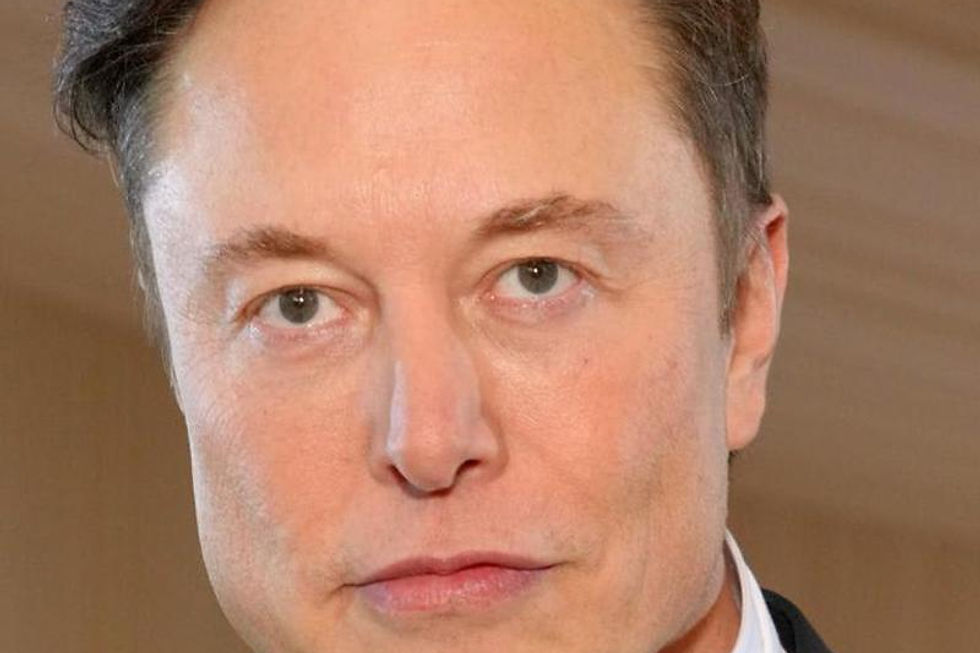
Ashley St. Clair, the other prominent figure in the documentary, shared her unsettling experiences with Musk while promoting the film at the Venice Film Festival. St. Clair recounts a peculiar text from Musk in which he expressed a desire to have a child with her, citing a need to create “a legion of children before the civil war.” This statement highlights Musk's often unconventional views on life and family. Additionally, St. Clair revealed that Musk's team approached her with a substantial financial offer of $40 million and a monthly stipend of $100,000 in exchange for her silence through a non-disclosure agreement. Such revelations raise questions about how Musk interacts with those in his personal life and his willingness to manipulate situations to maintain control over his narrative and public image.
The documentary arrives during a period where Musk has been increasingly vocal about his personal and professional challenges. However, Gibney's portrayal does not have Musk's endorsement, and he has openly criticized the film since its release. Via posts on X, Musk has referred to Gibney as lacking integrity, arguing that the filmmaker merely compiled testimonies from individuals with grievances against him. He has dismissed the documentary as a “hit piece” that fails to provide meaningful insight, criticizing its length and calling it dull. This backlash exemplifies Musk’s contentious relationship with media portrayals, as he often advocates for a level of authenticity and accuracy in how stories—especially his own—are told.

The public reactions to "Musk" have sparked broader discussions about the pressures faced by celebrities in the eye of the storm. The blend of personal disclosures from close acquaintances and the celebrity's defensiveness creates a compelling narrative filled with emotional turmoil and complex interpersonal dynamics. As viewers and critics dissect the film, the overarching theme remains: the human side of fame often reveals frailties and vulnerabilities that starkly contrast with the larger-than-life personas that individuals like Musk cultivate.
In the ever-scrutinizing world of celebrity, the release of this documentary not only shifts public focus back to Musk’s personal life but also raises the stakes for how figures in the spotlight are portrayed in media. As more stories surface through acknowledged voices from their past, the conversation surrounding the implications of such revelations becomes increasingly nuanced. The way celebrities manage their relationships and, by extension, their public images is more critical than ever, especially in an age where personal accounts can easily shape public perceptions.

Ultimately, "Musk" serves as a candid look into the life of one of the world's most influential figures—revealing a juxtaposition of innovation and the personal strife that comes with navigating relationships in a high-stakes environment. As the dust settles on the film’s release, it remains to be seen how Musk will continue to respond to the challenges posed by this public scrutiny. Will he take measures to distance himself from these accounts, or will they spur deeper reflections on how his past shapes his work and legacy? The answers to these questions may not only alter Musk's trajectory but could redefine how we understand the complexities of celebrity in our modern world.



Comments