
Behind the Curtain: Unraveling the Truths and Tales of Celebrity Storytelling
- 2 hours ago
- 3 min read
Exploring the Intricate Tapestry of Celebrity Narratives: Authorship, Transparency, and the Public Persona
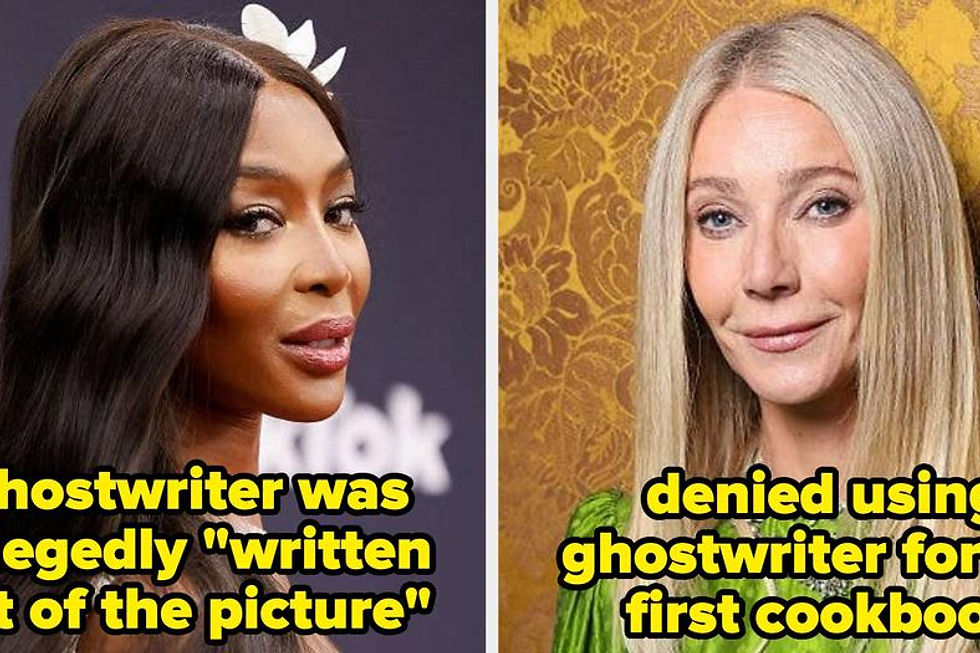
In the world of celebrity culture, the blurred lines between reality and perception have become a hot topic of discussion, especially when it comes to authors and the stories they craft about larger-than-life figures. One significant voice in this debate is Tony Schwartz, the ghostwriter for Donald Trump’s bestselling book, "The Art of the Deal." Schwartz recently expressed regret over his role in shaping Trump’s public image, famously stating that he "put lipstick on a pig." His reflections reveal how celebrity narratives are often curated, sometimes leading to greater prominence for figures lacking depth. The acknowledgment of remorse adds a layer of complexity to the already intricate world of celebrity storytelling, prompting us to consider who truly holds the pen when it comes to popular biographies.
Schwartz’s insights pose significant questions about authenticity and agency in the celebrity publishing arena. Despite his deep sense of regret for helping glamorize Trump, Schwartz’s comments also shine a light on the contentious nature of authorship. Trump has famously asserted that he is the actual author of the book, claiming it was his brainchild and a monumental success in the business genre. However, media outlets have disputed this, clarifying that its status as the "best-selling business book ever" was exaggerated. The revelations from Schwartz and Trump expose a broader narrative about the fluidity of authorship within the celebrity landscape — where the subtle art of ghostwriting often leads to a tangled web of credit and miscredit.

The celebrity publishing industry is not just about books, but also about the relationships that celebrities forge with each other and how these relationships can spin into public spectacles. Recently, one such incident unfolded involving a notable public figure discussing her friend, Zoë. This personilaity expressed concerns regarding their friendship dynamics and the ensuing fallout, emphasizing the need for transparency in celebrity narratives. They highlighted issues that, though not directly related to Zoë, reflect the underlying tension between friendship and public persona. It’s fascinating to see how personal relationships can morph into public narratives, sometimes fostering resentment and misunderstandings, generating narratives that interest the public and tabloids alike.
In the rapidly shifting landscape of celebrity relationships, the fallout can manifest in unexpected ways. In a follow-up to the earlier discourse, a comedian spoke out about the confusing exchange of memes and online interactions they shared. This whimsical yet poignant reflection on modern friendship captures how contemporary celebrities navigate their connections in an increasingly digital world, often sharing moments both trivial and significant with their large fanbases. The ability of social media platforms to amplify personal disputes or revelations about friendship certainly transforms the way stories unfold, showing that even the seemingly mundane aspects of celebrity life can become fodder for public interest.
Amid this swirl of public intrigue, the calls for stronger discourse around transparency in celebrity storytelling resonate deeply. With the current dynamics of authorship and the personal intertwining of public narratives, there’s an urgency to reevaluate how stories about celebrities are told and who gets to tell them. As celebrities increasingly become their own storytellers through platforms like Instagram and TikTok, traditional publishing models face substantial challenges. The line between personal expression and public consumption continues to blur, raising important questions about responsibility, ownership, and representation in narratives that shape public perception of these high-profile individuals.
At its core, the interplay between the celebrity world and authorship reveals a fascinating landscape where personal and public lives converge. Fans cling to narratives constructed around their favorite stars, oftentimes without realizing the intricate layers underlying those stories. With figures like Schwartz openly grappling with their participation in crafting narratives that elevate controversial personalities, audiences are offered an opportunity to reflect on the broader implications of celebrity storytelling. The discourse surrounding transparency and authenticity in celebrity narratives will likely continue to evolve, influencing how future readers engage with both the familiar faces of fame and the stories that seek to define them.
As we navigate through celebrity culture and the stories that shape it, it's paramount that we remember the complexities at play behind the scenes. Beyond the glitzy headlines and social media posts lies a rich tapestry woven from personal stories, relationships, and the often untold consequences of those narratives. This continual evolution in how celebrities are portrayed and how they share their journeys with the world guarantees that the dialogue surrounding transparency and authenticity will remain a vital part of celebrity conversations. Ultimately, it is a call to rethink who tells the story and why it matters — in the ever-evolving tapestry of fame, the lines are becoming not just blurred, but complexly intertwined.



Comments