
Behind the Curtain: How Celebrities Navigate Health Battles in the Spotlight
From Shadows to Spotlight: How Celebrities Navigate the Battle Between Health Privacy and Public Perception

In the realm of celebrity, health crises often follow a dual narrative: the choice to speak out or the decision to remain private. Some stars step into the limelight with their cancer diagnoses, aiming to raise awareness and provide solace to fans grappling with similar battles. Others, however, prefer to safeguard their health struggles behind a curtain, shielding themselves from public scrutiny during tumultuous times. This dichotomy underscores a complex interplay of motivations, ranging from a protective instinct for family and fans to a desire to maintain professional reputations.
Take the late Dolly Parton, for instance. Far from revealing the specifics of her health struggles during her life, she prioritized her family instead. In a YouTube video from October 2025, long before her passing in August 2026, Parton vaguely mentioned facing health issues, mentioning that she had been preoccupied with caring for her husband, who was undergoing his own health battles. This neglect of her well-being illustrates a pivotal truth: caregiver burnout is real and affects people from all walks of life. After her death, many were taken aback to learn how closely she guarded her health issues, a sentiment echoed by her cousin Richie Owens, who later commented on Parton’s protective nature. He shared that she actively sought to keep her loved ones optimistic, often downplaying her struggles to avoid causing worry.

Chadwick Boseman’s story is another poignant example of celebrity privacy around health issues. The actor, known for his powerful performances, including his role as T'Challa in "Black Panther," kept his stage 4 colon cancer diagnosis a secret until after his tragic passing in August 2020. Although diagnosed in 2016, Boseman continued to work through grueling treatments and surgeries, maintaining a façade of wellness for his artistic pursuits. His managing team and colleagues, remarkably unaware of his illness during production schedules, later reflected on his preference for solitude in his struggles. Boseman, fundamentally a private man, sought to avoid the fuss and pity that public announcement often invites. His commitment to his craft remained unwavering, demonstrating a profound dedication to leave a legacy beyond his illness.
Likewise, the late rock icon David Bowie has captivated the world not only for his groundbreaking music but also for his enigmatic relationship with his own health. Bowie’s struggle with liver cancer was kept under wraps until his passing in January 2016. His penultimate artistic offerings were crafted in the shadows of his diagnosis, revealing a desire to shield his family and fans from the chaos that would accompany public knowledge of his illness. Even friends close to the artist learned about his condition only as it became terminal. His theatrical collaborator, Ivo van Hove, recounted how Bowie preferred a quiet existence away from the sensationalism that often envelops celebrity health reports. Bowie's story underscores the notion that many celebrities orchestrate their lives with a sense of control, seeking to protect their legacies rather than become defined by their battles.

Jackie Collins, another indomitable figure, kept her breast cancer diagnosis private for over six years. The prolific author did not want her health struggles to evoke sympathy nor become a focal point of others' attention. Even her family, including her sister Joan Collins, remained in the dark about Jackie’s condition. Jackie explained her preference for privacy during a conversation with People magazine, citing a desire to control the narrative around her life without the added burden of public sympathy. This decision reflects a shared sentiment among many public figures who want to guide their stories on their terms.
Nora Ephron, revered for her insightful contributions to film and literature, faced her own health trials with utmost discretion. Diagnosed with a blood cancer that risked transforming into leukemia, Ephron actively chose to refrain from disclosing her condition to friends or the public. Delia Ephron later revealed that her sister's choice to keep her diagnosis private stemmed from her inherent desire to avoid the perception of being a “sick person.” This desire for normalcy transcends celebrity status, resonating with countless individuals dealing with similar health challenges in their personal lives.
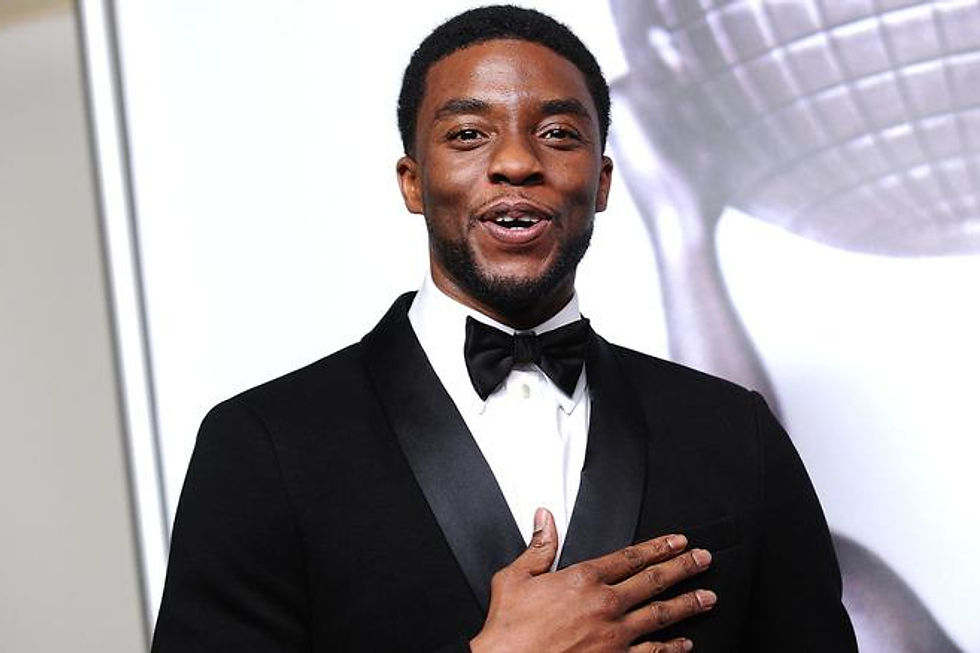
Ultimately, the responses to cancer diagnoses vary significantly among celebrities, shaped by personal motivations, cultural expectations, and the unpredictable nature of public life. Those who choose to remain private often seek to protect their peace and maintain some semblance of normalcy amid personal turmoil. Their stories can resonate with regular people who have found themselves navigating similar scenarios, reiterating that a cancer diagnosis remains deeply personal and that every individual should handle it according to their own preferences without fear of judgment. The bottom line is clear: whether a celebrity chooses to unveil their illness or guard it fervently, the motivations often mirror the very human desire for understanding, acceptance, and control over life's unpredictable twists and turns.

Comments