
Behind Closed Screens: Celebrities Take a Stand Against Digital Exploitation
- May 28, 2025
- 4 min read
Empowering Celebrities and Everyday Victims: Navigating the Digital Minefield of Nonconsensual Imagery in a Post-Act Era
**The Digital Age Challenge: Celebrities Confronting Nonconsensual Intimate Imagery**
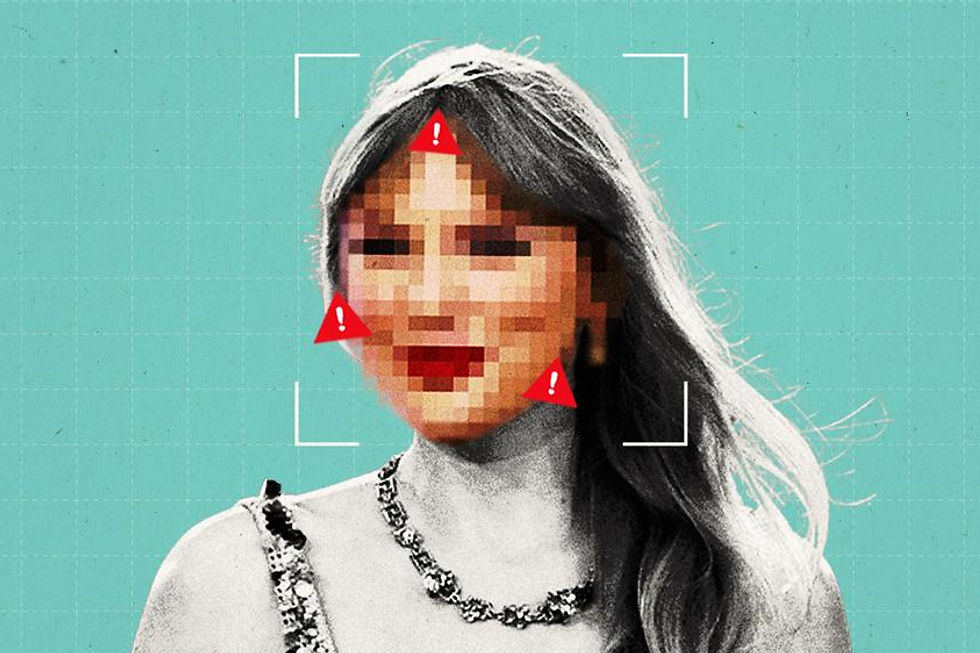
In an era dominated by rapid advancements in technology, celebrities are navigating uncharted waters fraught with peril, especially when it pertains to their personal lives and privacy. The public nature of their existence makes them particularly vulnerable to malicious activities like the unauthorized sharing of intimate images and deepfake pornography. Recognizing the urgency to address this problem, President Trump recently enacted the Take It Down Act, a significant legislative step aimed at combating the issue of nonconsensual intimate imagery (NII). This act, which targets both genuine explicit materials and manipulated content generated by artificial intelligence, marks a game-changer for victims, many of whom are celebrities and public figures.
The Take It Down Act is primarily designed to criminalize the posting of nonconsensual intimate visual depictions, carrying serious repercussions for offenders, including hefty fines and potential imprisonment for up to three years. The act obligates digital platforms to respond swiftly to takedown requests, requiring that any reported content must be removed within 48 hours. This timeline is crucial, especially given the fast-paced nature of social media and other online platforms where such content can spread virally within minutes. As of the law’s enactment, these provisions won’t fully take effect until May 19, 2026, but the groundwork is set for a proactive response to such violations.
For celebrities like Kim Kardashian and Scarlett Johansson, the stakes of nonconsensual imagery are particularly high. Victims of deepfake technology—where AI is utilized to create realistic but fake videos—face not just professional risks, but also emotional trauma. Advocacy groups, including SAG-AFTRA, have endorsed the act, emphasizing the need for robust regulations to ensure that entertainers can maintain control over their likenesses in the digital world. These advocates argue that with the rise of sophisticated AI tools, the risk to privacy has escalated, warranting urgent federal intervention.
Luke Arrigoni, CEO of Loti, a service designed to detect and remove deepfake content, points out that this legislation is a major step in providing victims of NII with the tools to combat their exploitation. The act not only lays out a framework for taking down harmful content more efficiently but also sends a clear message to platforms that they have a duty to proactively prevent the proliferation of such materials. "This is giving victims real recourse," Arrigoni states, affirming that victims can now navigate the digital landscape with a newfound sense of agency.
The implications of the Take It Down Act extend beyond immediate removal of offending content. The law has the potential to compel digital platforms to adopt stricter guidelines to ban nonconsensual intimate imagery altogether. Prior to this legislation, some notorious websites hosted explicit deepfake content without repercussions, posing a significant threat not only to celebrities but also to ordinary individuals, particularly women, who often fall victim to these violations. For example, the recent shutdown of MrDeepFakes, a site dedicated to hosting deepfake pornography of countless celebrities, is an early indication that the act can lead to tangible enforcement against malicious operators.
However, the act is not without its critics. Concerns have been raised regarding potential overreach and the implications for user privacy and free speech. Detractors worry that the law could be misused to suppress dissent or criticism, especially in a politically charged environment. Some legal experts suggest that while the law addresses critical concerns of digital exploitation, it could inadvertently empower those in positions of authority to enforce compliance in ways that may stifle expression. These critiques underscore the need for ongoing discussions about the balance between protecting victims and safeguarding fundamental rights.
There is also a question of how effectively the enforcement mechanisms within the act will operate. Will the Federal Trade Commission (FTC) be able to intervene adequately if a platform fails to comply with takedown requests? The proposed timeline for the act's provisions means that advocates, including Josh Weigensberg, an IP litigation partner, anticipate potential refinements to address accountability concerns. As influential figures in the entertainment industry continue to raise their voices against the misuse of technology, advocates are hopeful for a comprehensive approach that not only offers legal remedies but also educates users about the threats they face online.
In summary, the Take It Down Act represents a significant and necessary shift in the landscape of digital privacy, particularly for celebrities grappling with the exploitation of technology. With growing awareness about the harms caused by nonconsensual intimate imagery and deepfakes, there is a collective push to ensure that victims—celebrity and non-celebrity alike—are empowered to address violations head-on. As the digital age continues to evolve, so too must our laws, ensuring they reflect the realities of a world where personal images can be manipulated and shared with devastating consequences. The dialogue around these issues is essential, both in protecting individual rights and fostering a safe environment for all users navigating the complex terrain of digital expression.


Comments