
Barbenheimer: The Cinematic Showdown Transforming Hollywood's Star Power
- 9 hours ago
- 4 min read
Barbenheimer: The Star-Studded Renaissance of Cinema in a Post-Pandemic Landscape

In the vibrant world of cinema, the intersection of cultural phenomena and celebrity power has never been more apparent than during the explosive release of “Barbie” and “Oppenheimer”—two films that collectively broke box office records and captivated audiences worldwide. This cinematic weekend, affectionately dubbed "Barbenheimer," not only shattered expectations but also highlighted the evolving role of movie stars in the industry today.
At the heart of this phenomenon, the lobby of theaters transformed into a stage for an eclectic mix of attendees— from women in playful pink outfits snapping selfies to men in dark blazers adopting an air of intellectual gravitas, all engaging in a subtle competition for social media validation. Amidst this spectacle, teenagers took to TikTok, passionately documenting their choice of movie as if the act itself was the central storyline. It became clear: the Barbenheimer weekend was not simply about watching movies; it was about the collective experience of choosing—an event woven into the fabric of their identities.

When “Barbie” debuted with an impressive $162 million in its opening weekend and “Oppenheimer” garnered $82.4 million, together they commanded the fourth-largest box office weekend in U.S. history, surpassed only by iconic franchises like Avengers and Star Wars. The duo would eventually amass a staggering combined total of $2.4 billion globally, with “Barbie” alone crossing the $1.44 billion mark—setting records and rewriting the rules of engagement for film audiences. Critics and fans alike marveled at “Oppenheimer,” a three-hour R-rated biopic about the complexities of nuclear physics, as it amassed $952 million worldwide. It was hailed as a “miracle,” not just for its figures but for the perfect storm of social media influence and audience appetite for shared experiences in a post-pandemic world.
The success of Barbenheimer revealed a key insight about the film industry: monoculture events still hold power—though they thrive most when audiences treat films as social accessories rather than isolated experiences. The concept transcends mere entertainment; it underscores a profound shift in how films are perceived and marketed. Hollywood celebrated the box office figures as a sign of life, but the nuanced reality is more revealing: only a few titles can drive massive audiences in an increasingly fragmented cinematic landscape. While the exceptional success of Barbie and Oppenheimer captured the moment, they also exposed the undeniable challenges facing the industry, which included significant misfires like “The Marvels” and “The Flash.”

Margot Robbie’s transformation from a talented actress to a shrewd entrepreneur is a standout narrative within the Barbenheimer saga. Regarding “Barbie,” the most notable fact isn’t just that she starred as the iconic doll but that she produced the film through her production company, LuckyChap Entertainment. With years of dedication, Robbie transformed a dream project into a billion-dollar enterprise before it caught the attention of major studios. As a producer, her influence in the film's development was instrumental, ensuring her financial reward exceeded $50 million and contributing to a significant jump in her net worth. This pivot illustrates a broader trend—acting alone is no longer a guarantee of relevance or financial stability in an ever-changing industry dynamic. Robbie's foresight to build a production company positioned her advantageously, blending creative control with commercial viability in a way very few actors navigate successfully.
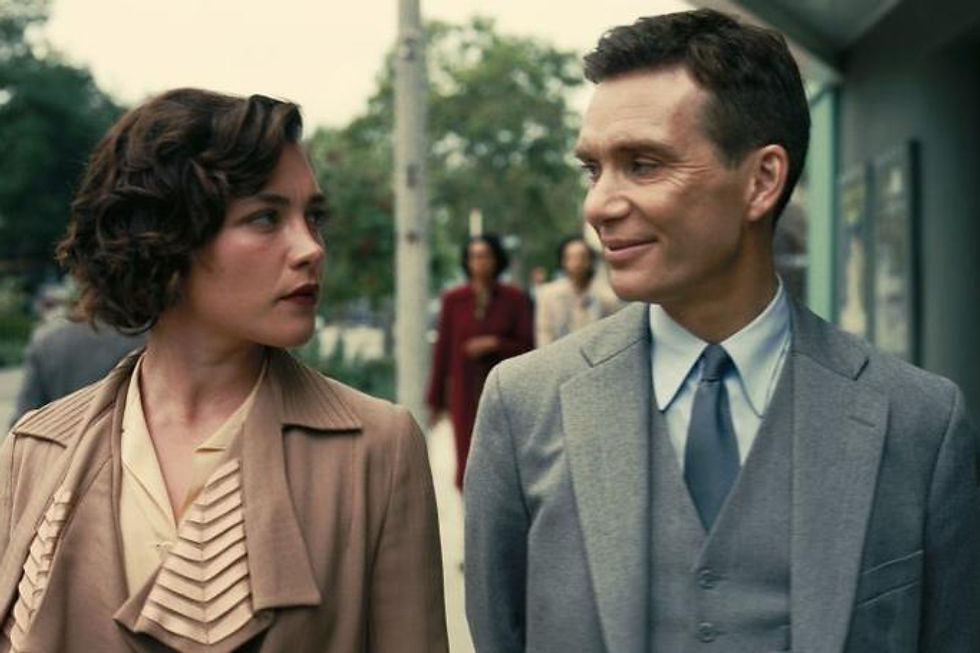
Cillian Murphy’s career trajectory reflects another compelling aspect of the Barbenheimer narrative. For years, he occupied a niche space as a respected actor with a dedicated following but lacked mainstream recognition. However, with his standout performance in “Oppenheimer,” he ascended to the pinnacle of acclaim, capturing the Oscar for Best Actor and solidifying his status as a leading man. Interestingly, rather than chase blockbuster franchises, Murphy returned to intimate, insightful filmmaking, remarking on the nature of fame and the allure of maintaining a level of obscurity while pursuing projects that resonate on a deeper emotional level. His career choices exemplify a more thoughtful approach in an industry often obsessed with immediacy and commercial returns.
Ryan Gosling’s portrayal of Ken introduced a level of self-awareness and humor that resonated with audiences and spurred debate about the evolving definition of masculinity in Hollywood. Following “Barbie,” Gosling opted for roles that leaned into charm and comedy rather than taking the path of a traditional leading man. By subverting expectations with Ken's existential punchline, he delivered a performance that was both entertaining and reflective, challenging the cinematic status quo of what it means to be a male star in the current era. This reinvention not only earned him an Oscar nomination but also initiated a conversation about the complexities of identity in film, showcasing that vulnerability and humor might hold more value than the stoic hero archetype.
Greta Gerwig, following her indie success with “Lady Bird” and “Little Women,” has now burst into the spotlight as a director who successfully blended commercial and artistic sensibilities. Being the first female director to cross the $1 billion mark at the box office, Gerwig’s journey underscores the intersection of individual vision and marketability. While she has proven her artistic prowess, the film industry now closely watches her next steps to determine if she can continue this unprecedented success. Her artistic exploration within the commercial sphere has become a template for future filmmakers seeking to forge a similar path.

In this intricate dance of celebrity, creation, and cultural impact, the Barbenheimer phenomenon encapsulated both the possibilities and pitfalls of an industry in flux. It is a reminder that cinematic achievements do not merely serve as entertainment but also reflect the culture that consumes them. As Hollywood reflects on this moment, the lessons learned from Barbenheimer will likely guide its evolution in an era where the capacity to engage audiences is as crucial as the stories those films tell. Moving forward, success may hinge on how creators balance artistic integrity with commercial interests—an endeavor that will define the next generation of filmmaking.


Comments